Last Updated on December 8, 2025 by Karen
Wondering if butter is dairy-free and which options work best for cooking and baking? Discover 10 top alternatives for every diet.
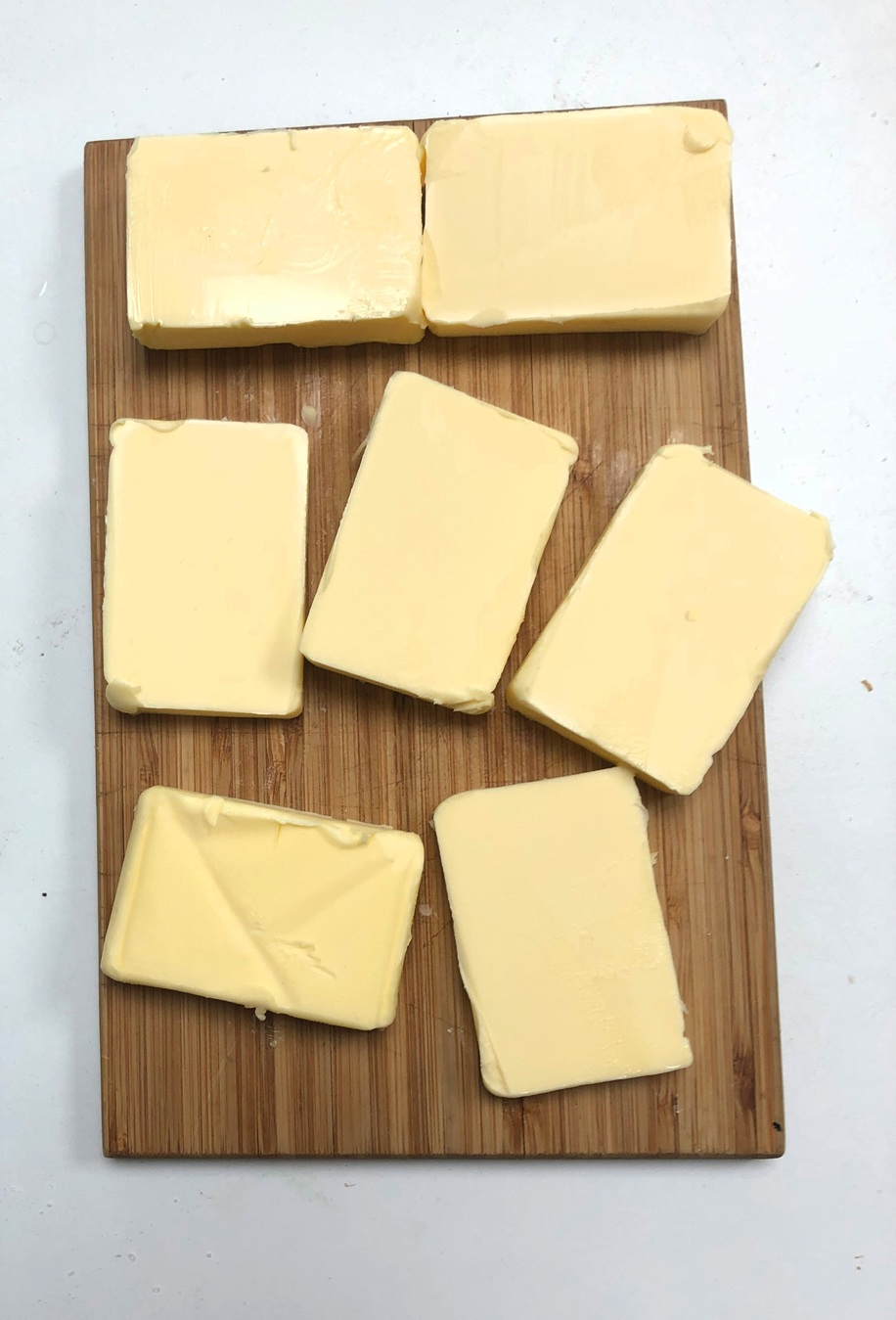
Butter has been a staple in kitchens around the world for centuries. Known for its creamy texture, rich buttery flavor, and versatility in both cooking and baking, butter is often considered a must-have ingredient. However, for people following a dairy-free diet, those with a milk allergy, or anyone avoiding cow’s milk and other milk products, traditional butter is not an option.
In recent years, the rise of plant-based butter and dairy-free butter alternatives has provided a wide variety of options that mimic the taste, texture, and functionality of real butter while accommodating personal preferences, dietary restrictions, and healthier options. Whether you are baking a pie crust, making a creamy sauce, or simply spreading a buttery spread on toast, it’s essential to know which dairy-free alternatives work best.
This guide will explain the difference between regular dairy butter and plant-based butter, highlight the health benefits of dairy-free options, and provide a detailed list of the 10 best butter substitutes for cooking and baking.
Is Butter Dairy-Free?
Traditional butter is made from cow’s milk, consisting primarily of milk solids and milk fat. It contains small amounts of lactose, the natural milk sugar, and is therefore not dairy-free. For anyone with a dairy allergy, milk allergy, or those with sensitivity to milk products, consuming regular butter can trigger allergic reactions or gastrointestinal symptoms such as abdominal pain, nausea, and bloating.
Even lactose-free butter is still derived from animal products—cow’s milk with the lactose removed. This makes it suitable for a lactose-free diet but not for vegans or those avoiding all animal products. True dairy-free foods require plant-based butter or other free butter substitutes made entirely from plant oils.
Understanding Dairy-Free Butter Alternatives
Dairy-free butter alternatives are made entirely from plant-based ingredients like coconut oil, olive oil, almond oil, sunflower oil, and palm oil. Some blends even include pea protein or cocoa butter to create a creamy texture and rich buttery flavor similar to traditional butter.
These alternatives aim to provide the same cooking and baking functionality without the milk solids or milk sugar that can trigger food allergies or gastrointestinal symptoms. They are widely available in grocery stores and can suit different personal preferences, dietary restrictions, and health goals.
When choosing a dairy-free butter alternative, always check the ingredient list for hidden milk-derived ingredients or potential cross-contamination warnings. Also consider the type of fat used, its fat content, and whether the product is best suited for high-heat cooking, baking, or spreading.
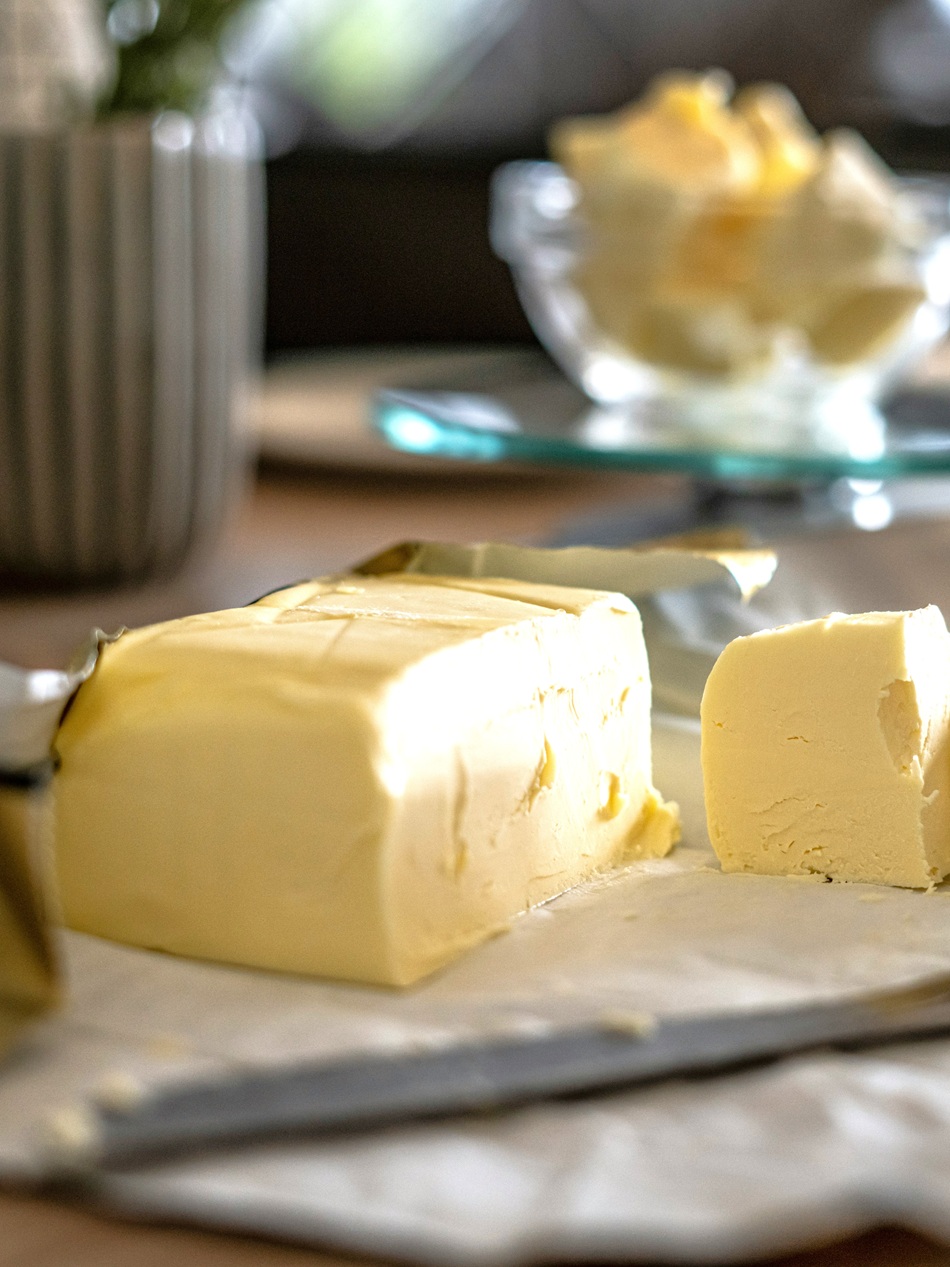
10 Best Butter Substitutes for Cooking and Baking
1. Coconut Oil
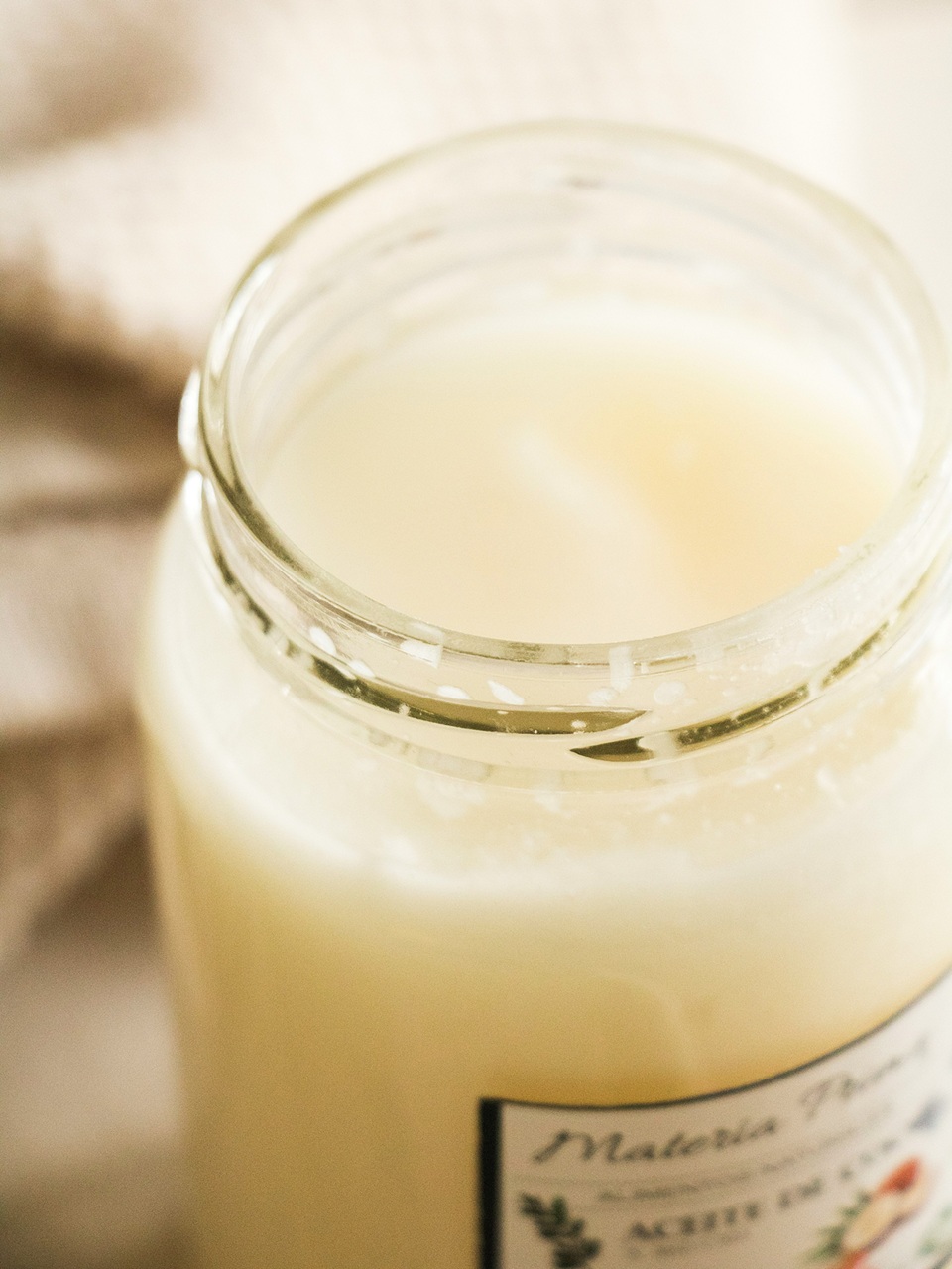
Coconut oil is a versatile plant-based ingredient that provides a creamy texture and subtle flavor. It works well in baking for pie crusts, cookies, muffins, and even some sauces. Coconut oil is solid at room temperature, similar to butter, which makes it a good one-to-one replacement in recipes. I like to use coconut oil in my granola and granola bar recipes as it adds a nice nuttiness.
2. Olive Oil
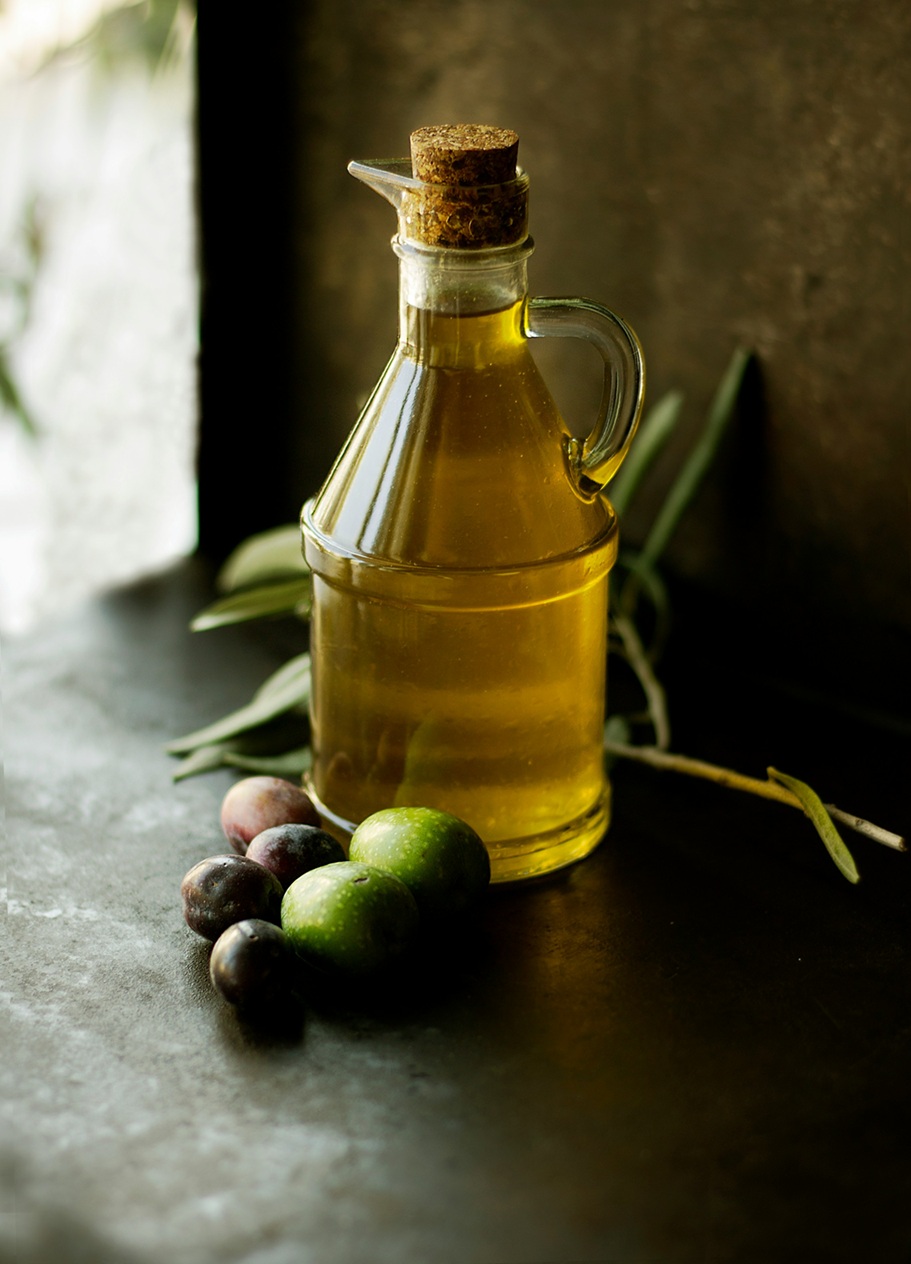
Olive oil is ideal for savory dishes, sautéing, roasting, and even drizzling over vegetables. It contains unsaturated fats and other health benefits, such as antioxidants. While olive oil isn’t perfect for all baking, it works well in breads, focaccia, and some cake recipes.
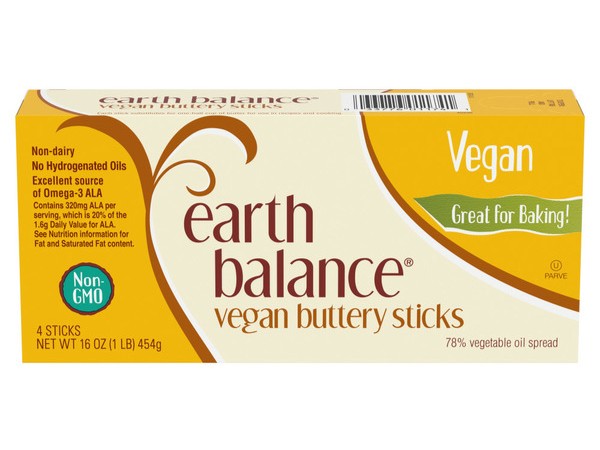
3. Earth Balance Vegan Buttery Sticks
These plant-based buttery sticks mimic the creamy texture and buttery flavor of traditional butter. They are ideal for cookies, brownies, and pie crusts. Many brands are fortified with vitamin D, and they are widely available in grocery stores. I have had success making my baked goods recipes like cookies and fruit bars using Earth Balance (same amount, no adjustment needed).
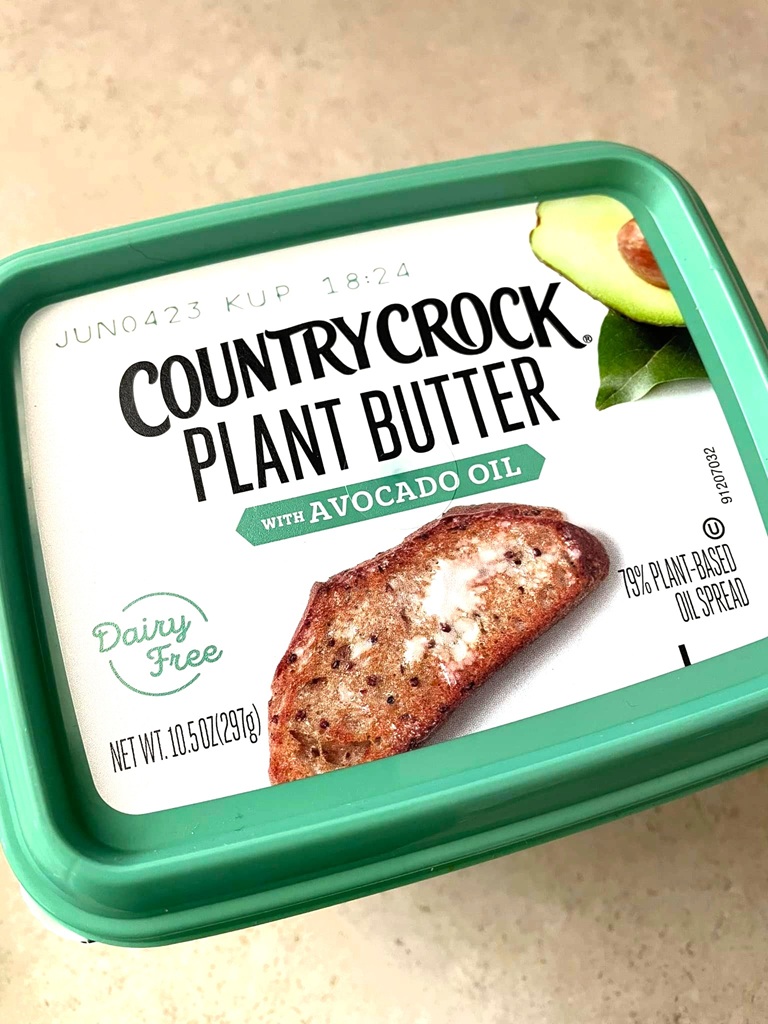
4. Country Crock Plant Butter
A blend of plant-based oils, this option is a great choice for cooking, baking, and spreading. It has a rich buttery flavor and smooth texture, making it a reliable dairy-free alternative.
5. Sunflower Oil
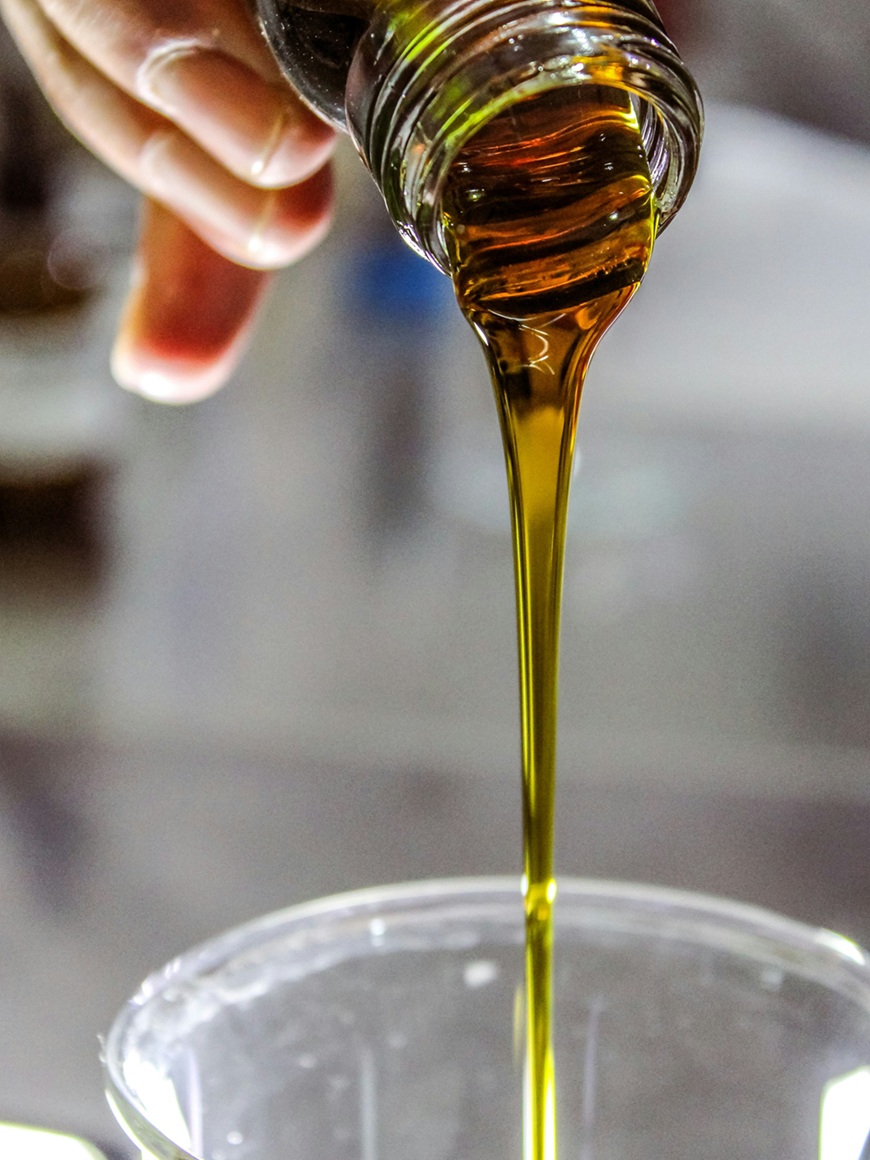
Sunflower oil is neutral in flavor and suitable for high heat cooking like frying and roasting. It is a good all-purpose oil for everyday cooking, though it may not provide the same buttery texture as solid alternatives.
6. Vegan margarine:
Vegan margarine is a plant-based spread formulated to mimic real butter, making it an easy 1:1 substitute for baking, cooking, and spreading. It offers a buttery flavor and consistent results in most recipes.
7. Vegetable shortening
Vegetable shortening is a neutral, solid fat that creates flaky, tender baked goods and performs well at high heat. It’s ideal for pie crusts, cookies, and pastries where structure is important.
8. Avocado oil
Avocado oil is a versatile, heart-healthy oil that is completely gluten-free and dairy-free. It is rich in monounsaturated fats, vitamin E, and antioxidants. Its mild flavor and very high smoke point make it perfect for sautéing, roasting, frying, or even baking, where it can replace butter or other oils for moist, tender results. Avocado oil is ideal for everyday cooking and baking while supporting overall health.
9. Cocoa Butter
Cocoa butter is a plant-based fat used primarily in chocolate-making and confections, offering a rich, silky texture. While dairy-free, it’s not a general butter substitute for cooking or baking.
10. Vegetable Oils
Vegetable oils like canola, soybean, or grapeseed oil are versatile for both baking and cooking. They are liquid at room temperature and lack the solid buttery texture, but they are reliable for stir-frying, roasting, and simple baking recipes.
Tips for Using Dairy-Free Butter Alternatives
Always check the product label for hidden milk solids or animal fats.
Adjust recipes for substitutes that are liquid at room temperature (like olive or vegetable oil).
Use high smoke point oils such as sunflower oil or palm oil for frying.
Consider personal preference: coconut oil adds flavor, while neutral oils are better for delicate baking.
Health Benefits of Dairy-Free Butter
Unsaturated fats instead of saturated fats: Many plant-based options use vegetable oils or olive oil, which can be healthier for heart health.
Lactose-free options: Perfect for lactose intolerance, reducing gastrointestinal symptoms like abdominal pain or bloating.
Vegan-friendly: No animal products, suitable for vegan diets.
Fortified products: Some plant-based butters contain vitamin D or other nutrients.
Nutrition tip: While plant-based butters can be healthier, some contain palm oil or blends of oils. Check food labels for trans fats or added type of sugar to make informed choices.
Common Concerns and Considerations
Allergic reaction: Ingredients like pea protein, soy milk, almond oil, or coconut oil may trigger allergies.
Trace lactose: Some lactose-free butter or blended products may contain small amounts of lactose.
Texture and flavor: Some dairy-free alternatives slightly alter the texture of baked goods or first-bite flavor.
High heat: Not all alternatives are suitable for frying or high heat; check the type of fat before cooking.
Storage: Keep plant-based buttery sticks in the fridge for longer shelf life; oils can go rancid if left out.
Can Lactose-Free Butter Be Considered Dairy-Free?
No. Lactose-free butter removes milk sugar but still contains milk solids. It is suitable for a lactose-free diet but not for a vegan diet or those avoiding animal products.
Can I Substitute Coconut Oil for Butter in All Baking Recipes?
Yes, but it may slightly change texture and flavor. Earth Balance buttery sticks or Country Crock plant butter would be better options for 1:1 substitution.
Is Olive Oil Dairy-Free?
Yes. Olive oil is made entirely from plant oils, making it safe for vegan diets and dairy-free diets.
Are Earth Balance Sticks Safe for People With Dairy Allergies?
Yes. They are dairy-free butter alternatives made from plant oils, ideal for those with dairy allergies.
Can I Use Dairy-Free Butter for Frying?
It is not recommended for frying. Use plant oils with a high smoke point, such as sunflower oil, canola oil, or avocado oil for safe frying.
Are Dairy-Free Butter Alternatives Healthier Than Regular Butter?
Somtimes, yes. They tend to have unsaturated fats, lower saturated fat, and no milk sugar, but always check the ingredient list for added oils or sugars.
Can People With Dairy Allergies Safely Use Plant-Based Butter?
Yes, but always check food labels to ensure there are no traces of milk products. Consult a healthcare provider if uncertain.
Whether you’re following a vegan diet, managing a dairy allergy, or exploring healthier options, dairy-free butter alternatives offer a long way toward recreating the creamy texture and buttery flavor of traditional butter. From coconut oil and almond oil to Earth Balance Vegan Buttery Sticks, there are free butter substitutes suitable for every personal preference, recipe type, and dietary restriction.
By checking the product label, considering health benefits, and using proper cooking methods, you can enjoy dairy-free foods confidently while still achieving great results in both cooking and baking.