Last Updated on November 11, 2025 by Karen
Discover the differences between Kirkland Wildflower Honey and raw honey at Costco to choose the best option for taste, quality, and health.
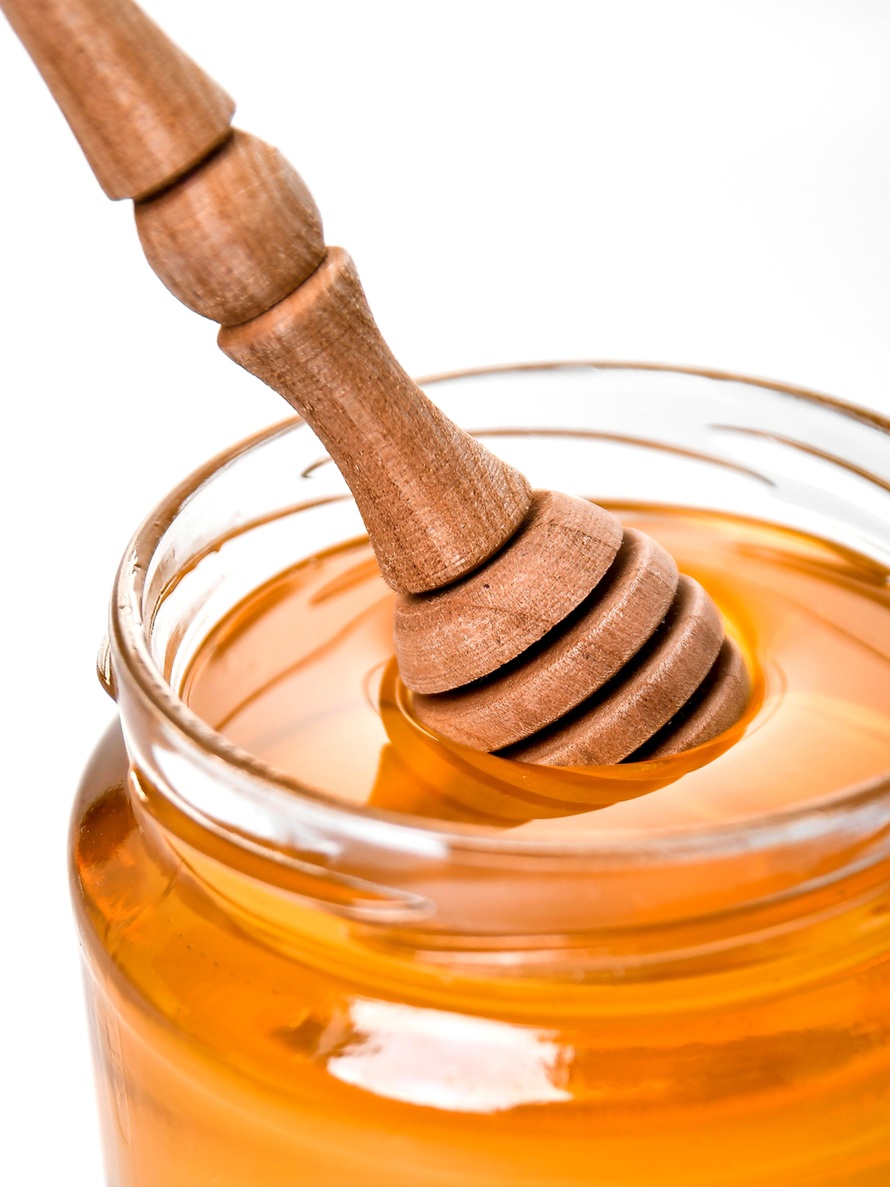
Honey is one of the most popular natural sweeteners, and Costco is known for offering some of the best options. Two of the most talked‑about choices are Kirkland Wildflower Honey and raw honey. If you’re trying to decide which one to buy, it’s important to understand the differences in taste, processing, and health benefits.
Kirkland Wildflower Honey is a popular choice at Costco because it’s consistent, affordable, and sourced from a mix of flowers across the United States. On the other hand, raw honey is less processed, often containing natural enzymes and pollen, which many people believe make it healthier. Let’s take a closer look at both options so you can make the best choice for your pantry.
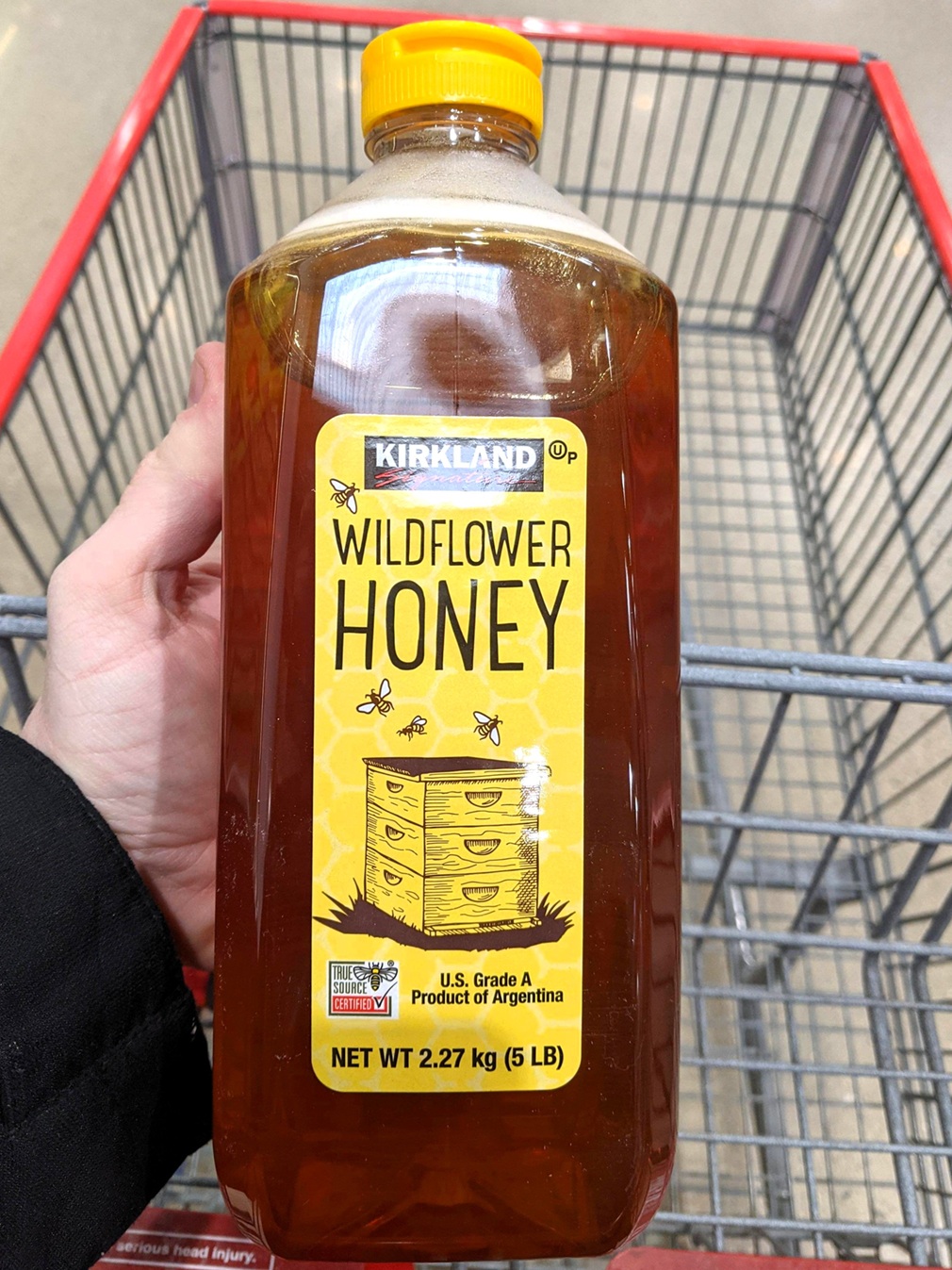
Kirkland Wildflower Honey Overview
Kirkland Wildflower Honey is sold in large jars at Costco and is known for its smooth texture and sweet taste. The honey is pasteurized, which means it’s gently heated to remove impurities and prevent crystallization. This process makes it easy to pour and gives it a long shelf life.
One of the biggest advantages of Kirkland Wildflower Honey is consistency. Every jar tastes very similar, which is perfect for baking, coffee, or spreading on toast. Because it comes from multiple flower sources, it has a mild, sweet flavor that most people enjoy. However, some people argue that pasteurization reduces some of the natural enzymes and nutrients found in raw honey.
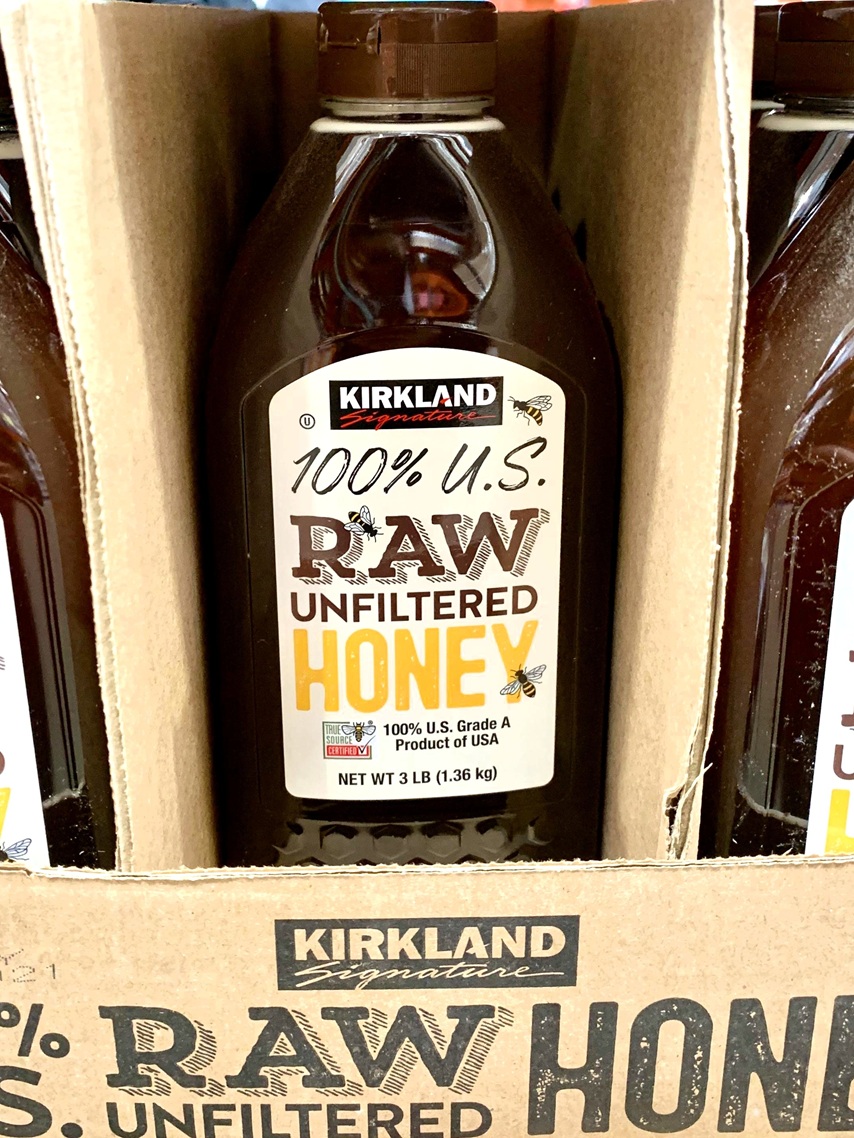
Raw Honey Overview
Raw honey is honey in its most natural form. It is not pasteurized or heavily processed, which means it retains pollen, enzymes, and antioxidants that are naturally present in the hive. This can provide additional health benefits, such as supporting the immune system and helping with allergies in some cases. According to the National Honey Board, raw and minimally processed honeys can offer more of those naturally occurring compounds.
At Costco, raw honey is usually sold in smaller jars than Kirkland Wildflower Honey, and it can have a more variable taste depending on the flowers visited by the bees. Raw honey can crystallize over time, but this is natural and doesn’t affect its quality. Some people prefer raw honey for its rich, complex flavors and potential health benefits, even if it’s a bit more expensive.
Taste Comparison
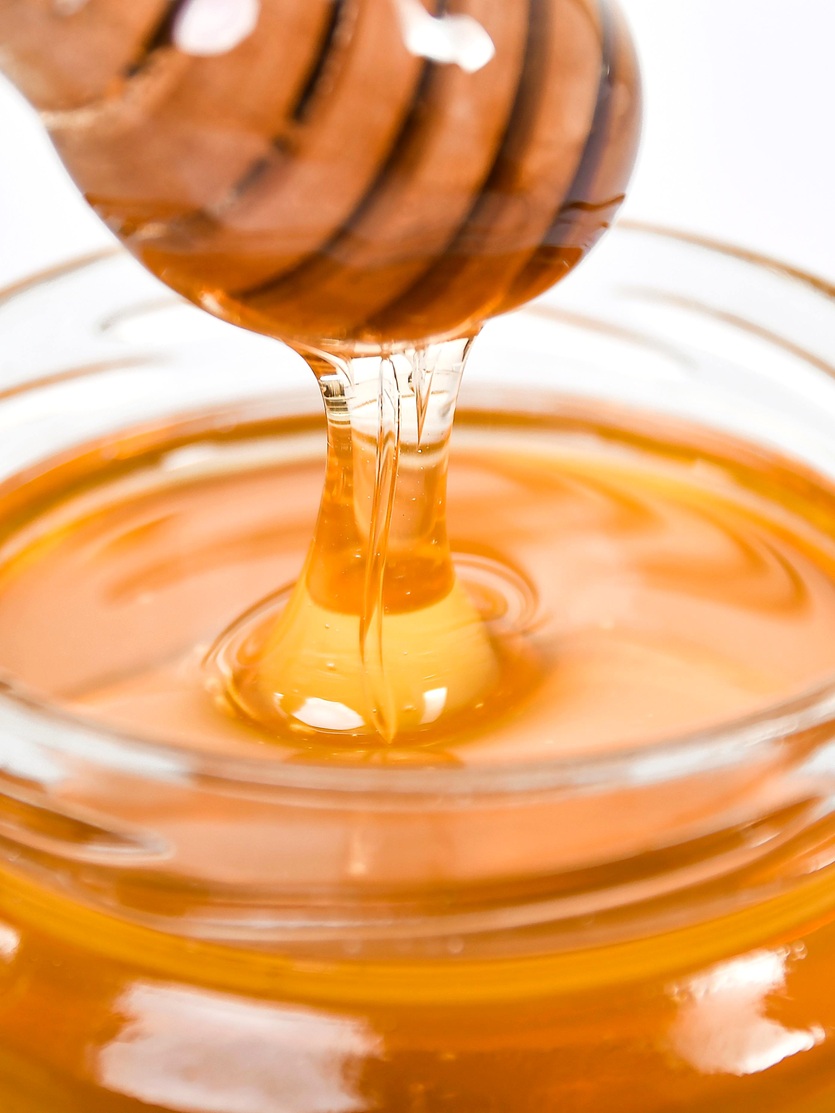
Taste is one of the main reasons people choose one honey over another. Kirkland Wildflower Honey is smooth, mild, and predictable. Raw honey, however, can have bold or unique flavors depending on the season and location. If you enjoy trying different honey profiles, raw honey may be more exciting. For those who prefer consistency, Kirkland Wildflower Honey is a safe bet.
Health and Nutritional Differences
Both types of honey provide natural sugars, vitamins, and minerals, but raw honey has an edge in terms of nutrients. The pasteurization process in Kirkland Wildflower Honey may reduce some of the natural enzymes and antioxidants. Raw honey is also more likely to contain pollen, which some people find beneficial for seasonal allergy relief.
Medical sources like the Mayo Clinic note that honey can act as an anti‑inflammatory, antioxidant, and antibacterial agent. At the same time, the Cleveland Clinic points out that while honey has health benefits, it’s still a form of added sugar and should not be over‑used.
It’s important to note that all honey is high in sugar, so moderation is key, regardless of which type you choose.
Price and Availability
Cost is another factor when choosing honey at Costco. Kirkland Wildflower Honey comes in large jars at a very competitive price, making it ideal for frequent use. Raw honey, while often more expensive per ounce, provides natural, unprocessed benefits. Both types are widely available at Costco, but raw honey may have seasonal variations in supply.
Final Verdict: Which Honey Should You Choose?
Choosing between Kirkland Wildflower Honey and raw honey depends on what you value most. If you want consistency, convenience, and a mild taste, Kirkland Wildflower Honey is the better choice. If you prefer natural, unprocessed honey with potential health benefits and unique flavors, raw honey is worth trying.
| Feature | Kirkland Wildflower Honey | Raw Honey |
|---|---|---|
| Processing | Pasteurized and filtered for clarity and consistency | Minimal processing: not heat‑treated, retains pollen and enzymes |
| Taste | Mild, smooth, consistent across batches | Variable: can be bold or floral, depends on hive & season |
| Texture & Appearance | Clearer, less likely to crystallize quickly | Cloudier, may crystallize sooner — natural |
| Health/Nutrient Profile | Good sweetener, may have fewer enzymes & antioxidants due to heating | Higher levels of natural enzymes, pollen, antioxidants (though studies still evolving) (Clinic Advisor) |
| Shelf‐Life / Convenience | Longer shelf‑life, easy to pour, very convenient | May need more care (crystallization), jars often smaller, flavor may vary |
| Price & Value at Costco | Often very good value for everyday use | Often higher cost per ounce, seen as premium or specialty |
| Best Use | Everyday sweetening: coffee, baking, toast | Special uses: natural remedy, flavor experience, raw food choices |
| Ideal For Who? | Someone who just wants a reliable, tasty honey at good price | Someone who prioritizes natural processing, flavor variety, possible health benefits |
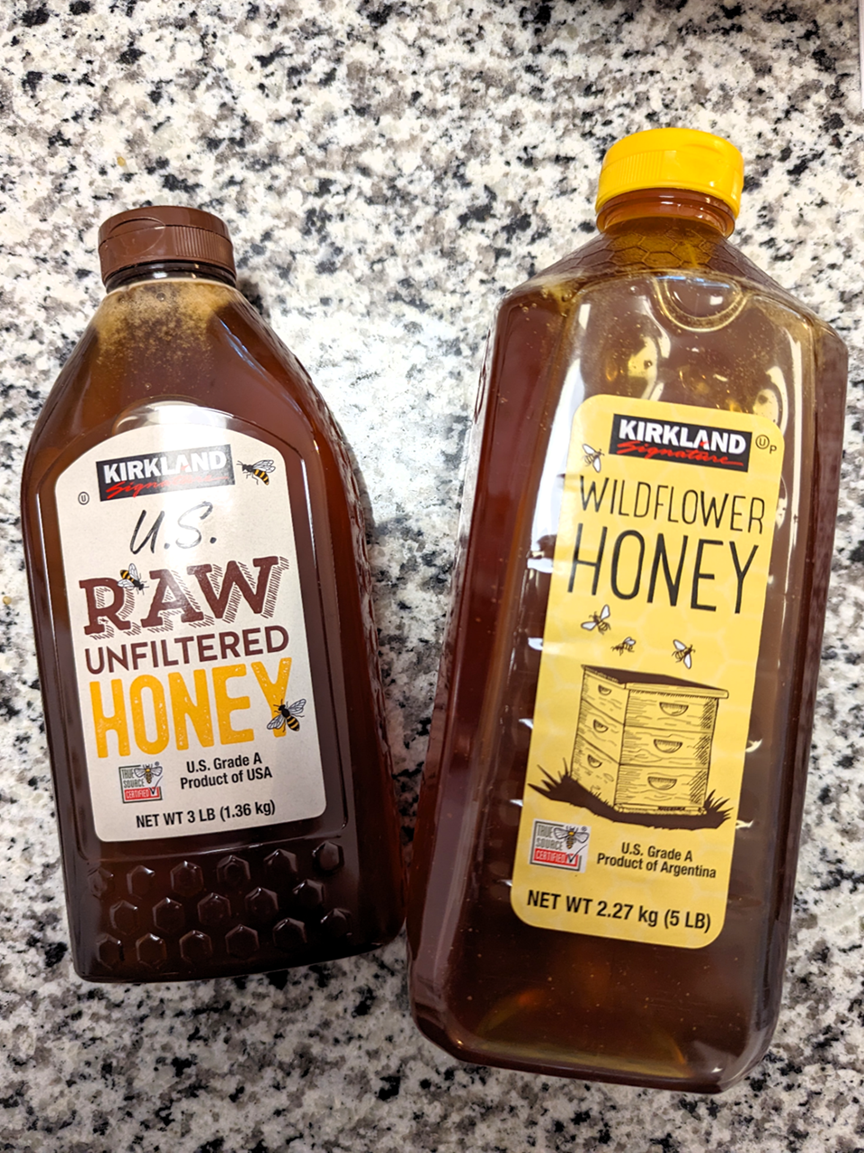
Many people keep both types on hand: Kirkland for everyday use and raw honey for special occasions or natural remedies. Either way, Costco offers excellent options for honey lovers.