Last Updated on April 3, 2026 by Karen
Learn how to cook Costco edamame with 4 easy methods: boiling, steaming, sautéing, and microwaving. Perfect for a healthy, protein-packed snack! Find tips on seasoning and cooking time.
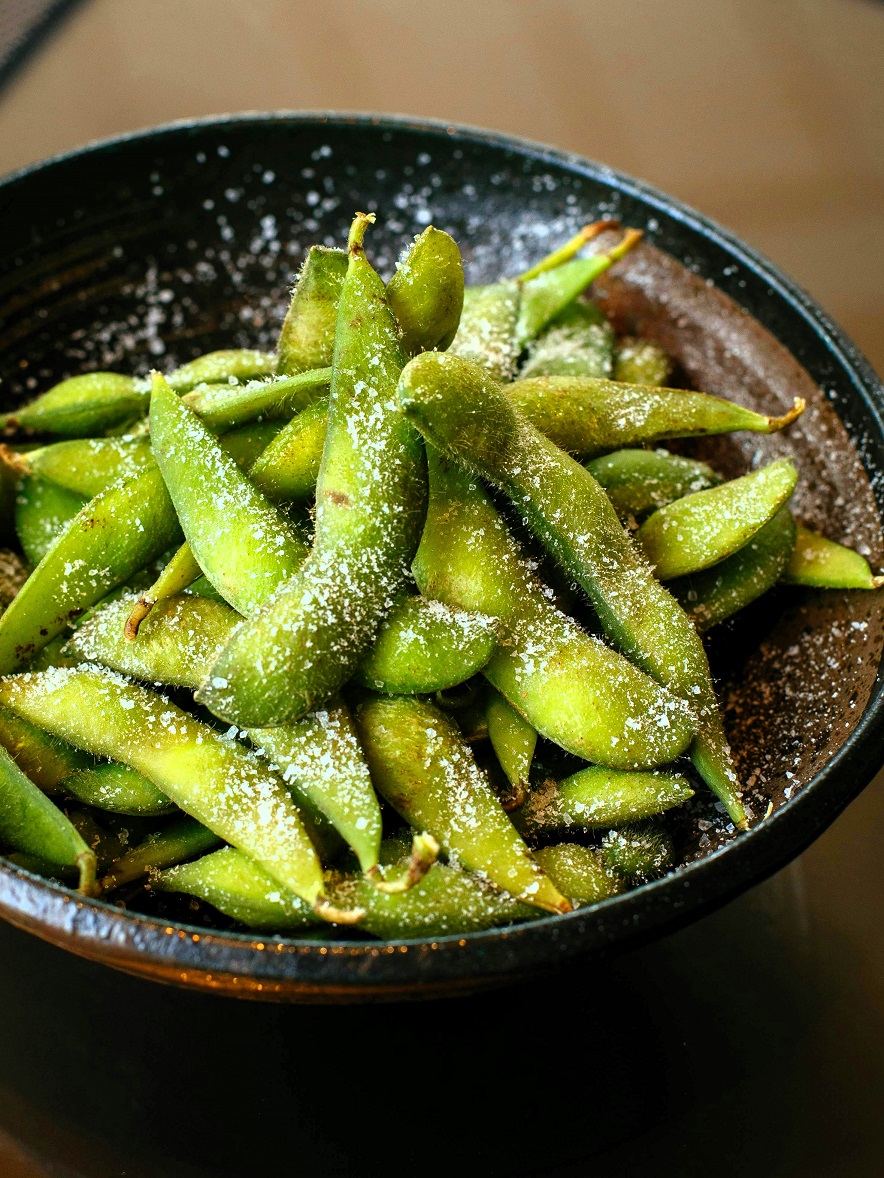
Edamame is a nutritious, protein-packed snack that’s simple to make and delicious. Whether you’re looking to add more plant-based protein to your diet or just want to enjoy a tasty snack, edamame is a great choice.
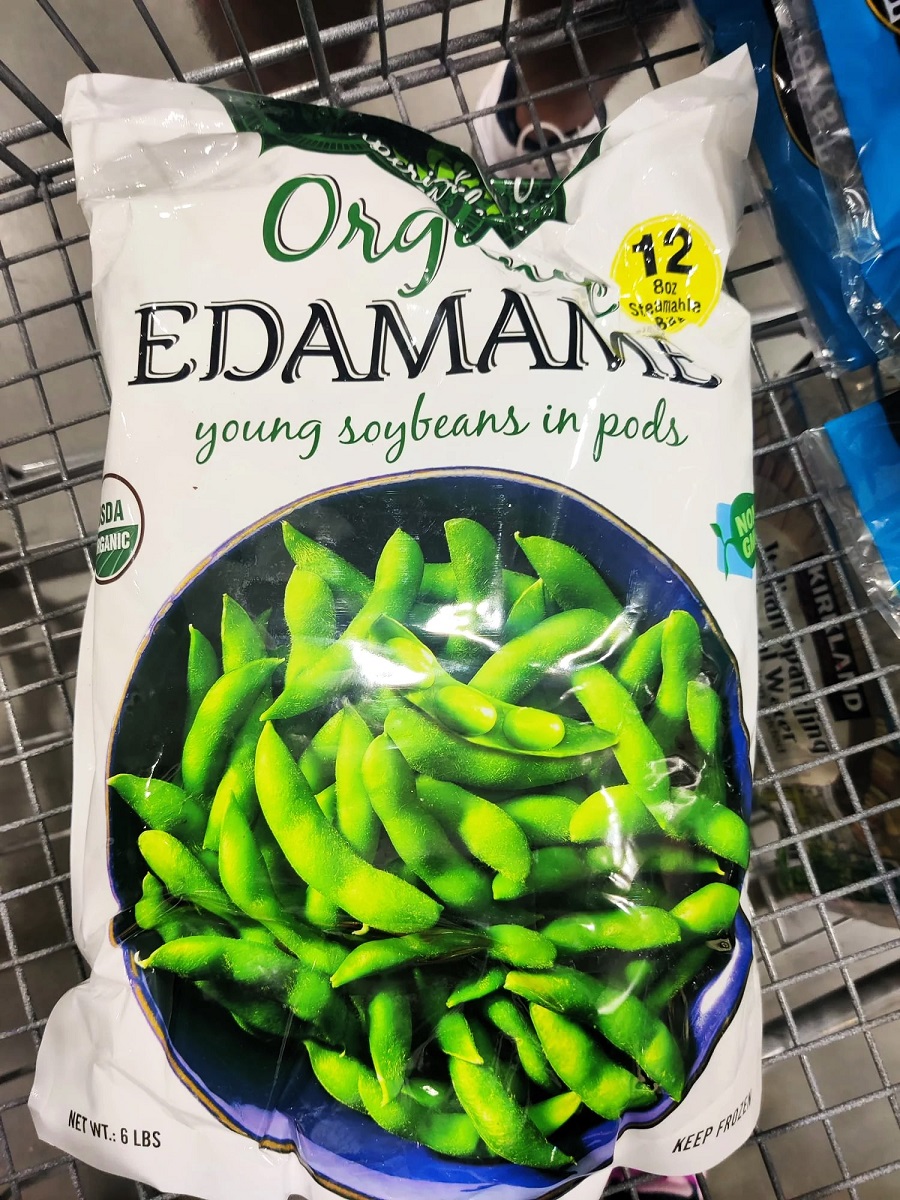
Our kids love them as a side dish for dinner or as a snack, so we always buy them in bulk at Costco. Costco used to carry small microwavable packs of edamame pods, but we haven’t seen it in our local warehouse lately. Whichever type you have available at your stores, the cooking method is pretty straightforward.
In this post, I’ll show you four easy methods to cook edamame, from boiling to steaming and microwaving.
Let’s get started!
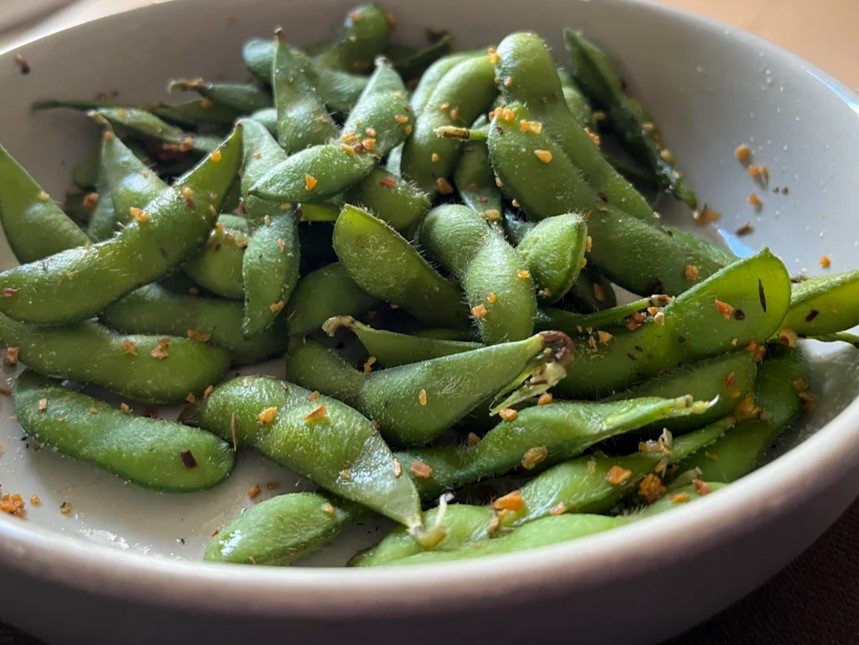
Boiling Edamame: The Classic Method
Boiling is one of the best ways to cook edamame, as it’s quick, easy, and brings out the natural flavor of the soybeans. It’s a classic method used in many Japanese restaurants, perfect for when you want to prepare a large batch.
What You’ll Need:
A large pot of boiling water
A bag of frozen edamame (unshelled)
Salt water (to season)
Steps:
1. Fill a large pot with water and bring it to a boil over high heat.
2. Add a little salt to the boiling water for extra flavor.
3. Add the frozen edamame directly to the boiling water (no need to thaw them).
4. Boil edamame for 4-5 minutes until the pods are tender and bright green.
5. Drain the water and transfer the edamame to a bowl. Season with soy sauce or sea salt to taste. For extra flavor, sprinkle some sesame seeds or add garlic to your edamame after boiling. This method ensures that the edamame remains juicy and flavorful.
Steaming Edamame: A Healthier Option
Steaming edamame is the best way for cooking edamame, as it helps retain its nutrients and keeps the soy beans tender. It’s a great option for those looking to keep things healthy while preserving the natural flavors. Steaming keeps the edamame nutrient-dense and gives it a fresh taste.
What You’ll Need:
A steamer basket
A large pot with a lid
Sea salt or soy sauce for seasoning
Steps:
1. Fill a pot with 1-2 inches of water and bring it to a simmer.
2. Place the edamame in the steamer basket, ensuring they aren’t submerged in the water.
3. Cover the large pot of water and steam the edamame for 5-7 minutes or until the pods are tender.
4. Remove the edamame from the steamer and season with soy sauce or sea salt. Add a drizzle of sesame oil for a nutty flavor.
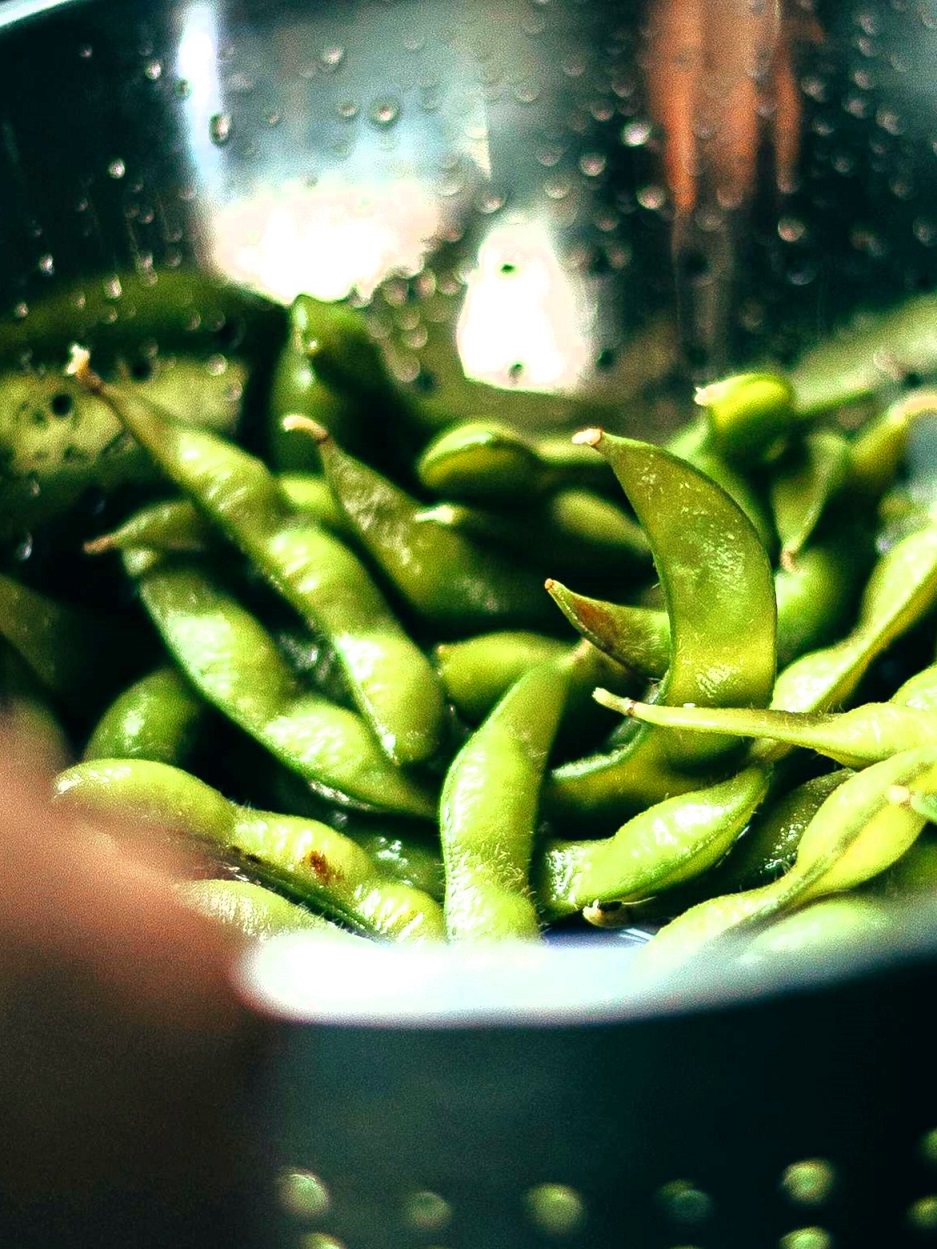
Sautéing Edamame: For Extra Flavor and Texture
Sautéing gives the edamame a slightly crispy texture, making it an exciting way to enjoy this healthy snack. You can infuse extra seasoning like soy sauce or sesame oil for a rich, savory flavor.
What You’ll Need:
A large skillet
Olive oil or sesame oil
Soy sauce or garlic for flavoring
Steps:
1. Heat a tablespoon of olive oil or sesame oil in a skillet over medium heat.
2. Add the frozen edamame directly to the skillet (no need to thaw them).
3. Stir occasionally and cook for about 5-7 minutes until the edamame is browned and crispy.
4. Season with soy sauce, sesame oil, or garlic for extra flavor. Add chili garlic sauce or sesame seeds for a spicy kick. This method gives your edamame a crispy texture with lots of flavor.
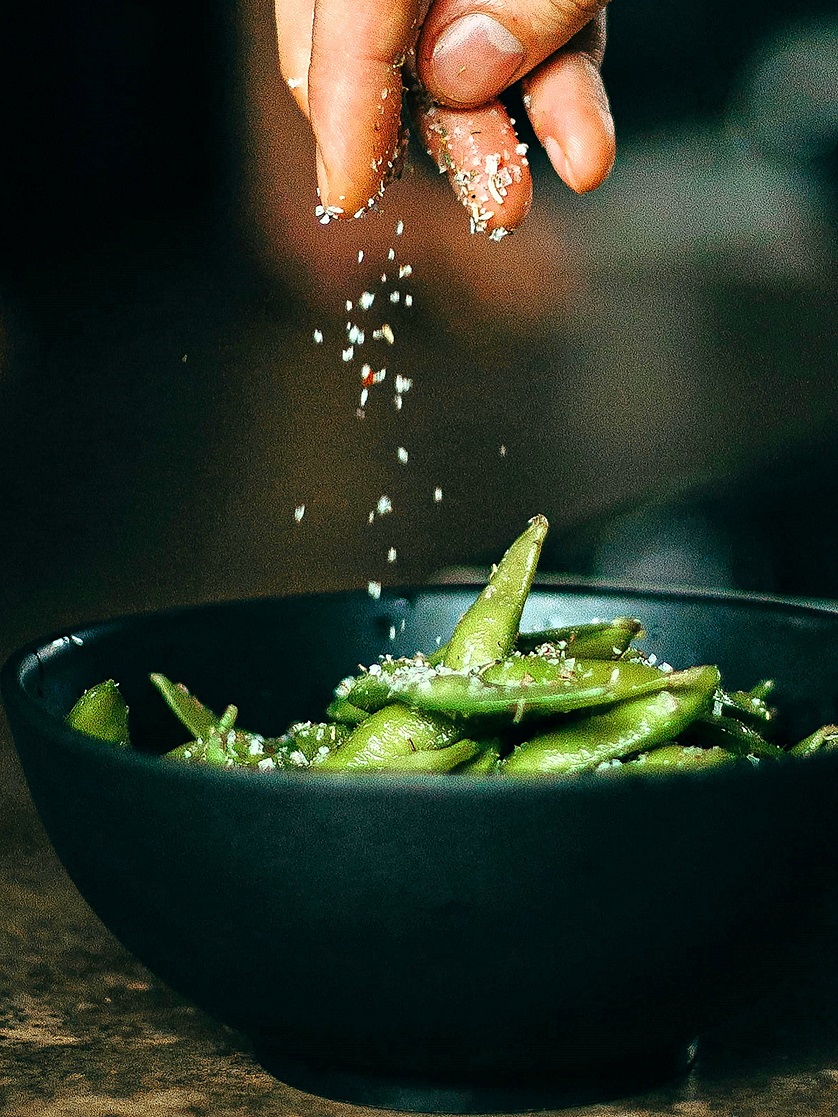
Microwaving Edamame: Fast and Convenient
Microwaving is one of the quickest methods to cook edamame. It’s convenient and doesn’t require a lot of preparation or cleanup. I usually use this method for quick and easy dinner prep, but note that the edamame pods tend to dry out quicker if you don’t keep it warm or eat it right away.
What You’ll Need:
A microwave-safe dish
1 tablespoon of water
Soy sauce or a pinch of sea salt (optional)
Steps:
1. Place your frozen edamame in a microwave-safe dish.
2. Add about 1 tablespoon of water to the dish to create steam.
3. Cover the dish with a microwave-safe lid or plate.
4. Microwave on high for 3-4 minutes, stirring halfway through. Cooking time may vary depending on your microwave model. After microwaving, transfer the edamame to a bowl and season with soy sauce or salt.
For extra convenience, use microwaveable bags of edamame (some Costco stores carry those) and follow the package instructions for the best results.
What Type of Edamame Should I Use?
You can find edamame at most grocery stores, typically in the freezer aisle. Look for bags of frozen edamame or microwaveable bags for convenience. If you’re looking for a brand recommendation, many people enjoy Imperial Garden Organic Edamame Pods (found in the freezer section, comes in steamable packs), which is known for its quality. Costco Nature’s Touch Shelled Edamame is also a good choice.
Are Edamame Pods Edible?
No, edamame pods are not edible. The pods are tough and fibrous, so they’re meant to be discarded. You only eat the tender, green soybeans inside the pods. To enjoy edamame, simply pop the beans out of the pods with your fingers or teeth and eat the beans—throw away the pods.
Can You Cook Partial Portions of Frozen Edamame Pouches?
Sometimes you don’t want to cook the entire bag of edamame—especially if you’re making a quick snack or cooking for one. The good news is that you can easily cook just a portion straight from frozen without affecting the taste or texture. You can cook as much or as little edamame as you need. There’s no need to thaw the entire bag—just take out your desired portion and reseal the rest for later.
How to Measure a Portion
When cooking only a portion of edamame, you don’t need to be overly precise. A good general guideline is to use about ½ to 1 cup of frozen edamame per serving, depending on whether you’re enjoying it as a light snack or a more filling side dish. If you don’t feel like measuring, simply grab a handful or two straight from the bag—edamame is very forgiving, so exact amounts aren’t necessary. For shelled edamame, keep in mind that it’s more compact, so a smaller volume can feel more substantial, while edamame in pods may look like more but yields less once eaten. If you’re serving multiple people, you can easily scale up by adding an extra handful per person. And if you end up cooking a little too much, no worries—leftover edamame stores well in the fridge for a few days and can be quickly reheated for another snack or meal.
Can You Save Leftover Edamame?
Yes, you can definitely save leftover edamame! To store it properly, let the cooked edamame cool down to room temperature first. Then, place it in an airtight container or a resealable plastic bag and store it in the refrigerator. Leftover edamame will stay fresh for about 3 to 5 days when refrigerated.
How Do You Reheat Leftover Edamame?
To reheat edamame, you can microwave them by placing the edamame in a microwave-safe bowl, adding a little water to keep them moist, covering loosely, and heating for 30 to 45 seconds. Stir and heat more in short bursts if needed. Alternatively, steam them over boiling water for 3 to 5 minutes or warm them in a skillet with a bit of water or oil over medium heat, stirring frequently until heated through.
Seasoning Your Edamame
After cooking your edamame beans, you can season it to suit your taste. Here are a few popular ways to season your edamame:
Sea salt or kosher salt: A simple and classic way to enhance the flavor.
Soy sauce: Adds a savory, umami flavor that pairs well with edamame.
Sesame oil: Gives a nutty flavor and enhances the texture.
Garlic: Add lots of garlic for a savory kick.
Chili garlic sauce: Perfect for those who love spicy food.
Sesame seeds: Sprinkle on top for added crunch.
Why Edamame is a Great Healthy Snack?
Edamame is a protein-packed snack that’s rich in plant-based protein, making it perfect for vegetarians, vegans, or anyone looking to boost their protein intake. A single serving of edamame contains plenty of grams of protein, making it a great addition to any meal or a standalone snack. Edamame is also a great source of fiber, carbohydrates, and essential amino acids, with very little sodium, making it a healthy choice for anyone looking to reduce their sodium intake.
Edamame is a quick, easy, and healthy snack that can be prepared in several ways. Whether you prefer to boil, steam, sauté, or microwave your edamame, each method is simple and delicious. Season it with soy sauce, garlic, or sesame oil to enhance the flavor, or keep it classic with just a little sea salt.
Is Edamame Low Carb?
Yes, edamame is considered low carb compared to many other snacks and legumes. A typical half-cup (about 78 grams) of cooked edamame contains roughly 8 to 9 grams of carbohydrates, but it also has around 4 grams of fiber, which means the net carbs (total carbs minus fiber) are about 4 to 5 grams. This makes edamame a good option for low-carb diets, plus it’s packed with protein, fiber, and healthy fats. So, it’s a nutritious and satisfying low-carb snack or side dish!
With just a few ingredients and simple cooking methods, you can enjoy this nutritious snack in minutes. So next time you’re craving something healthy, grab a bag or two of Costco edamame and enjoy a protein-packed treat!