Last Updated on July 7, 2025 by Karen
Learn how to cook Costco lobster tails, frozen or fresh, whole lobsters, and more with this beginner-friendly guide. Includes thawing tips, cooking times, and serving ideas!
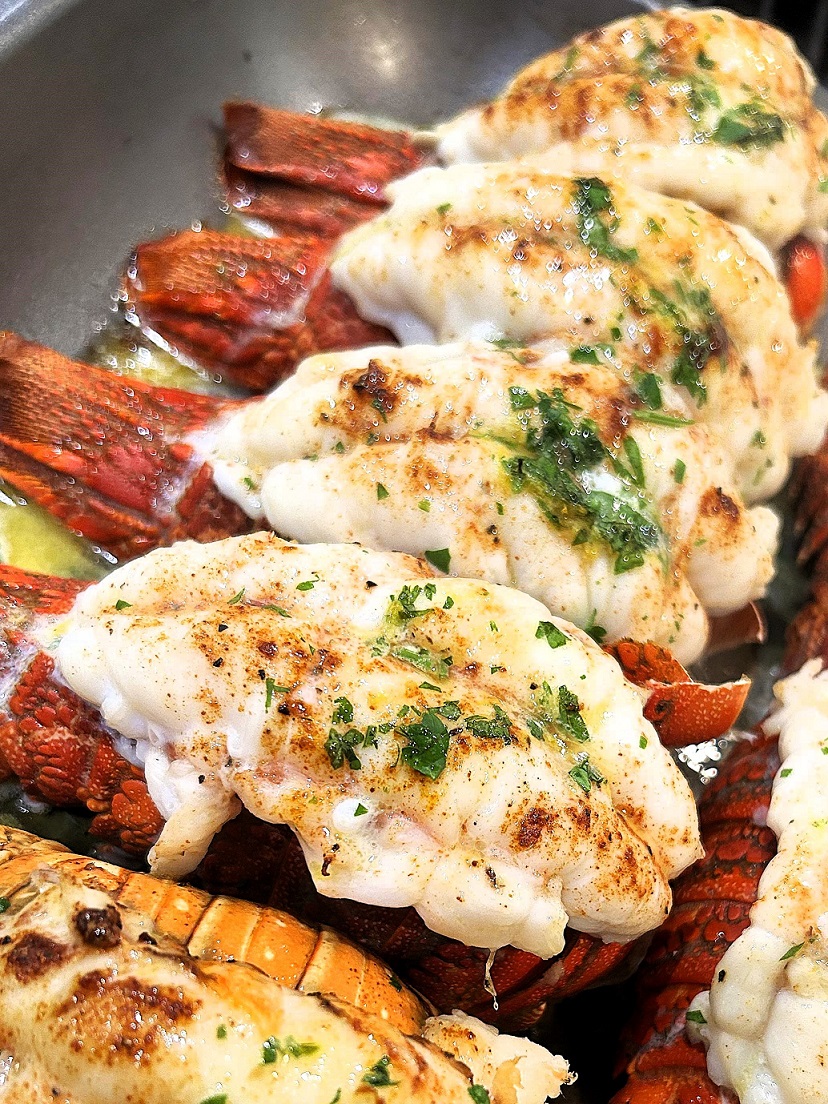
If you’ve walked past the seafood section at Costco or your local grocery store and noticed lobster tails or even live lobsters, you might have wondered how to cook them. Maybe you saw someone make lobster on TikTok and thought, “I could never do that.” But here’s the truth: cooking lobster at home is easier than it looks, and it’s a great way to enjoy a fancy, restaurant-style meal without the high price tag.
This guide will walk you through how to cook lobster step by step—whether you’re working with fresh lobster tails, frozen lobster tails, or a whole lobster. We’ll explain the best way to choose your lobster, how to prepare it, how long to cook it, and how to know when it’s done. We’ll also give you tips for serving it with sides, sauces, or even turning it into lobster rolls in hot dog buns.
Whether you’re planning a special occasion, a date night, or just want to try something new, this post has everything you need to cook lobster with confidence.
Understanding Different Types of Lobster Available at Costco
Fresh Lobster: Usually caught in cold waters off Maine or Canada. Cold water lobster has firmer meat and a sweeter, more delicate flavor than warm water lobster, which can be mushy. Fresh lobster is typically sold whole.
Frozen Lobster Tails: Sold in many grocery stores, including Costco. They are often more affordable and easier to cook than whole lobsters. Always look for cold water lobster tails—they’re superior in taste and texture.
Live Lobsters: Sold fresh at seafood counters or in tanks. Cooking live lobster may seem intimidating, but it’s the best way to enjoy the full range of lobster meat—from the tail to the claws and legs.

How Much Do Lobster Tails Cost at Costco?
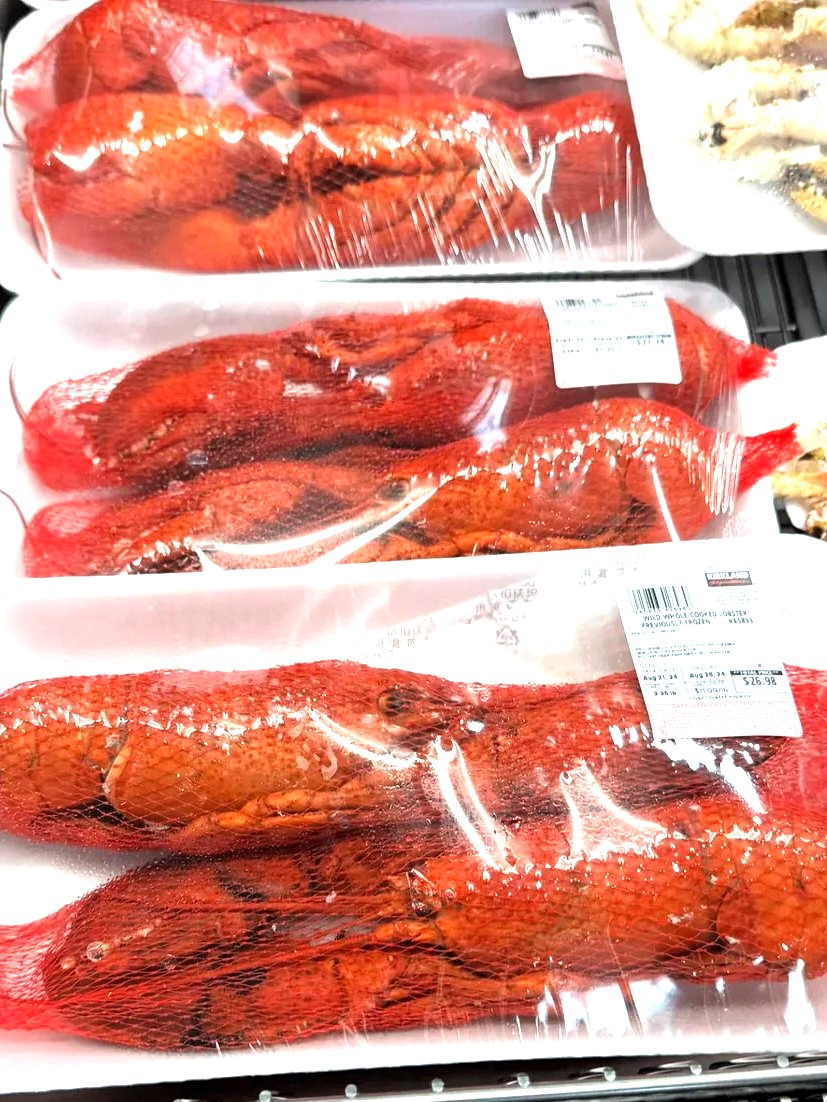
If you’re shopping for lobster tails at Costco, you’ll find a range of options at different price points, depending on whether you’re buying cold water or warm water tails, and whether you’re purchasing in bulk or smaller packs.
Typical Costco Lobster Tail Prices:
Cold Water Lobster Tails (OLIVIA brand)
• Sold in 5-pound cases
• Approx. $112.99 per case (~$22.60 per pound)
• These are firm, sweet, high-quality tails—perfect for special dinners
Warm Water Lobster Tails (Kirkland Signature)
• Sold individually or in small packs
• Usually $24.99 to $26.99 per pound
• Slightly more affordable, but the texture can be softer
Bulk 10-lb Box of Warm Water Tails
• Ideal for parties or events
• Priced at around $249.99 per box (~$25 per pound)
• Includes approximately 80 small to medium tails
Wild Langostino Lobster Tails
• Sold in a 2-pound bag
• Priced around $28.99 total (~$14.50 per pound)
• A great budget-friendly option for pasta, tacos, or seafood salad
Tips for Buying Lobster at Costco
Cold water lobster tails are more expensive but offer better flavor and firmer meat—worth it if you’re cooking for a special occasion.
Bulk packs at Costco often provide the best value per pound and are great if you’re feeding a crowd or want leftovers.
Langostino tails are not true lobster but still delicious and versatile for recipes like lobster mac and cheese or rolls.
Costco’s pricing can vary slightly by location and season, but in general, expect to pay anywhere from $14 to $27 per pound depending on the type and size of the lobster tails.
Shopping tip: Bulk packs at Costco often offer better value, especially for entertaining.
Tools and Ingredients You’ll Need to Cook Lobster Tails
To cook Costco lobster tails or a whole lobster, gather the following tools and ingredients:
• Kitchen shears
• Baking sheet or sheet pan
• Large pot or steamer basket
• Instant-read thermometer
• Small brush (for butter or oil)
• Lemon juice
• Unsalted or melted butter
• Garlic (optional, for garlic butter)
• Olive oil
• Wooden skewers (optional, to keep tails straight while cooking)
• Bowl of cold water (for thawing frozen lobster tails)
How to Thaw Frozen Lobster Tails (Step-by-Step)
Proper thawing is crucial for juicy, tender lobster. Cooking frozen tails directly can lead to rubbery meat or uneven results.
1. Best Way: Thaw Overnight in the Refrigerator
This method ensures maximum flavor and ideal texture.
Steps:
Remove frozen lobster tails from packaging
Place them on a plate or in a bowl
Cover loosely with plastic wrap or a clean towel
Refrigerate overnight (8–12 hours)
Why this works: Slow thawing keeps the meat firm and safe from bacteria growth. Best for cold water lobster.
2. Quick Method: Thaw in Cold Water
Perfect for same-day meals when you’re short on time.
Steps:
Keep tails sealed in a zip-top or vacuum-sealed bag
Fill a large bowl with cold water
Submerge the tails in the water for 30–45 minutes
Change water or move tails every 15 minutes for even thawing
Avoid These Mistakes When Thawing Costco Lobsters
When thawing frozen lobster tails—especially those from Costco—it’s important to do it safely and correctly to preserve the texture, flavor, and food safety of the meat. Here’s what not to do:
Hot Water
While it might seem like a good way to speed things up, hot water can actually start to cook the outside of the lobster tail while the inside remains frozen. This leads to uneven cooking later and can make the outer layer rubbery or tough before you even start. Stick to cold water for safe, even thawing.
Room-Temperature Thawing
Leaving lobster tails out on the counter to thaw at room temperature is not safe. As the lobster warms, it can enter the “danger zone” (40°F to 140°F), where bacteria multiply quickly. This method increases the risk of foodborne illness, even if the meat looks fine. Always thaw in the refrigerator or cold water.
Microwaving
The microwave can be your best friend for many things, but not for thawing lobster tails. It’s nearly impossible to control the heating evenly, so you risk cooking parts of the lobster while the rest stays frozen. This will ruin the texture, making the meat rubbery, dry, or even overcooked before you begin cooking properly.
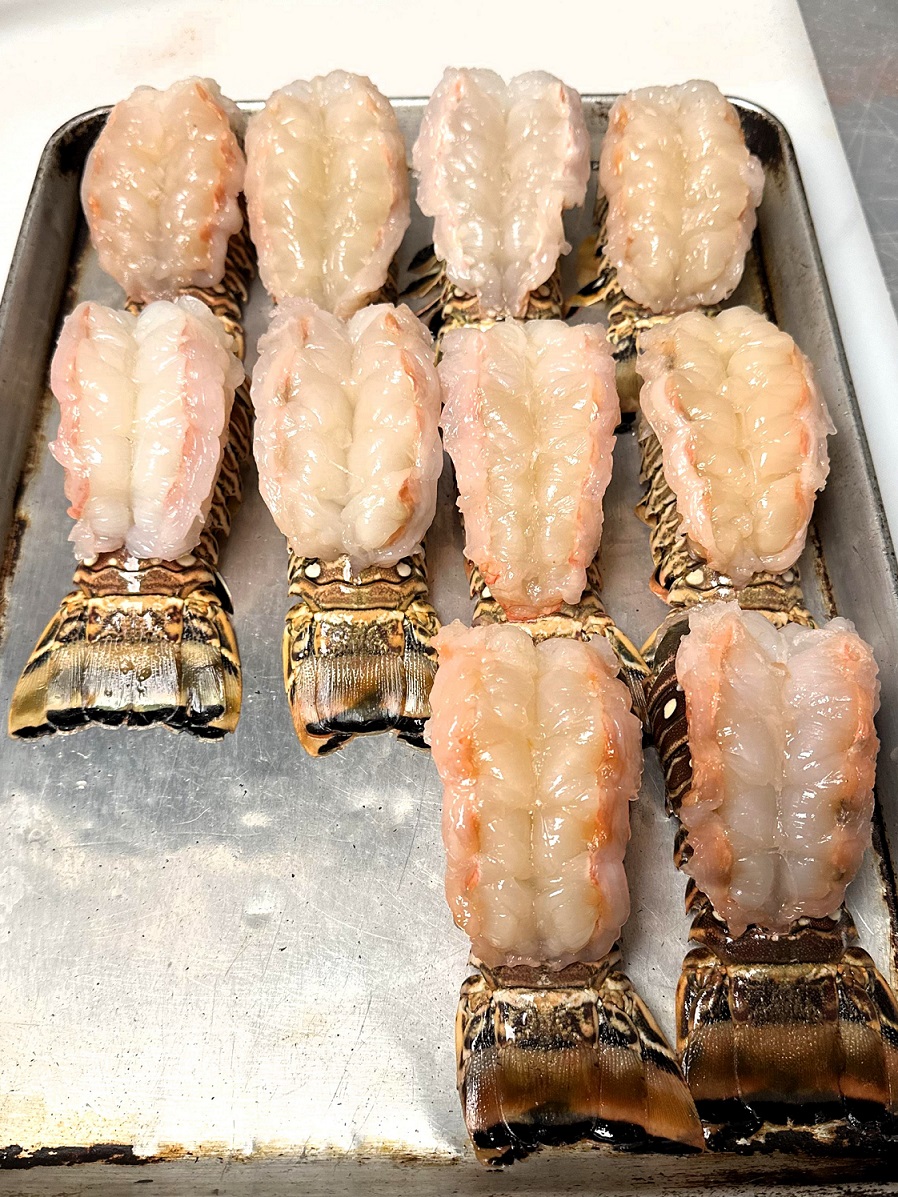
How to Tell If Lobster Tails Are Fully Thawed
You’ll know the lobster tails are ready to cook when:
• Shells feel soft and flexible
• You can wiggle the tail fins
• Meat is no longer icy or stiff
• Shears easily cut through the shell when butterflying
If the center still feels frozen, give it more time. Patience pays off!
How to Butterfly a Lobster Tail (Beginner-Friendly)
Butterflying helps the lobster cook evenly and gives it that restaurant-style look.
Steps:
• Place the thawed lobster tail shell-side up on a cutting board
• Use kitchen shears to cut through the shell lengthwise, stopping at the tail fin
• Gently pry the shell apart
• Lift the meat through the cut, resting it on top of the shell
Optional: Insert a wooden skewer lengthwise to prevent curling while cooking.
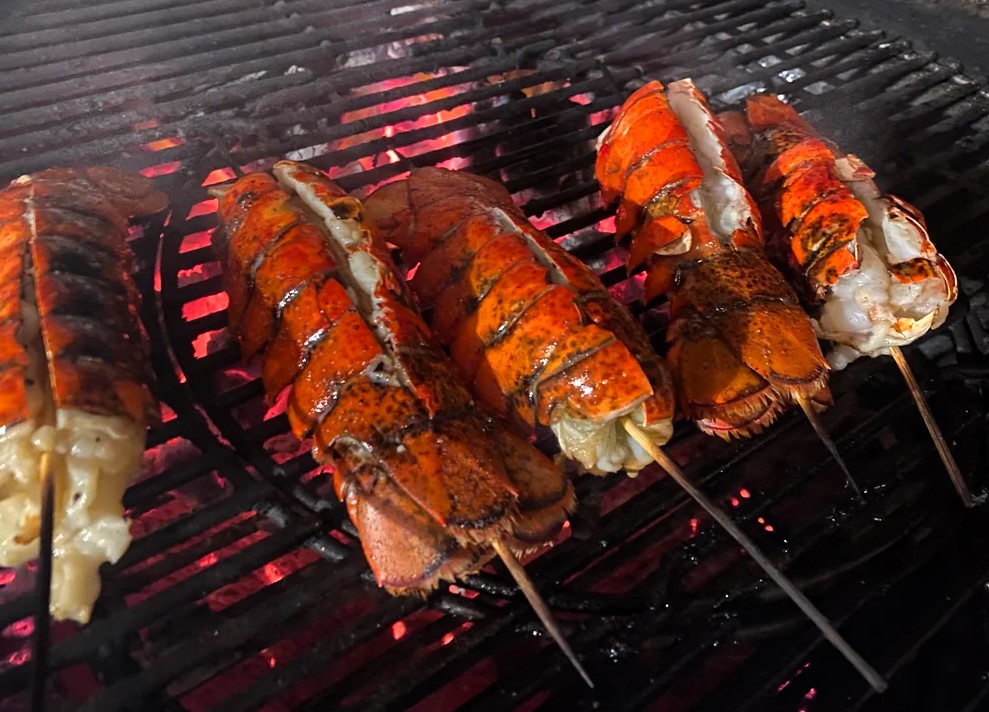
Best Ways to Cook Lobster Tails
Boiling
• Bring salted water to a boil
• Add thawed tails
• Cook for 1 minute per ounce (e.g., 8 oz = 8 mins)
• Meat should be white and firm, shell bright red
Steaming
• Set a steamer basket over boiling water
• Add tails, cover, and steam for 1 minute per ounce
• Results in tender, juicy lobster
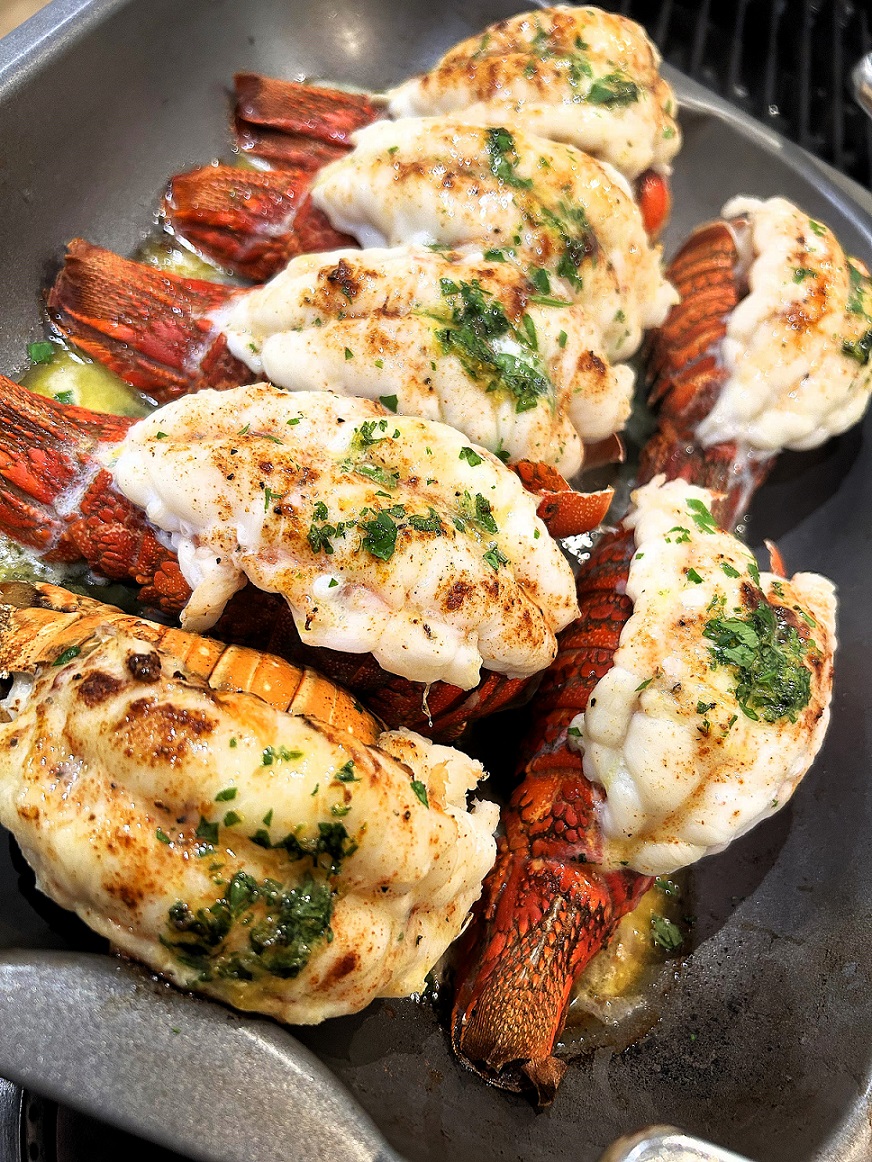
Broiling
• Preheat broiler to high
• Place butterflied tails on a sheet pan
• Brush with butter or oil
• Broil 5–7 minutes until meat is opaque and starts to brown
• Internal temperature: 140–145°F
Grilling
• Preheat grill to medium-high
• Brush tails with olive oil or garlic butter
• Grill meat-side down 4–5 minutes
• Flip and grill shell-side down 3–4 more minutes
Pan-Searing (Quick TikTok-Style)
• Heat oil or butter in a pan
• Sear tails meat-side down for 3 minutes
• Flip and baste with garlic butter 2–3 more minutes
• Great for smaller tails or quick dinners
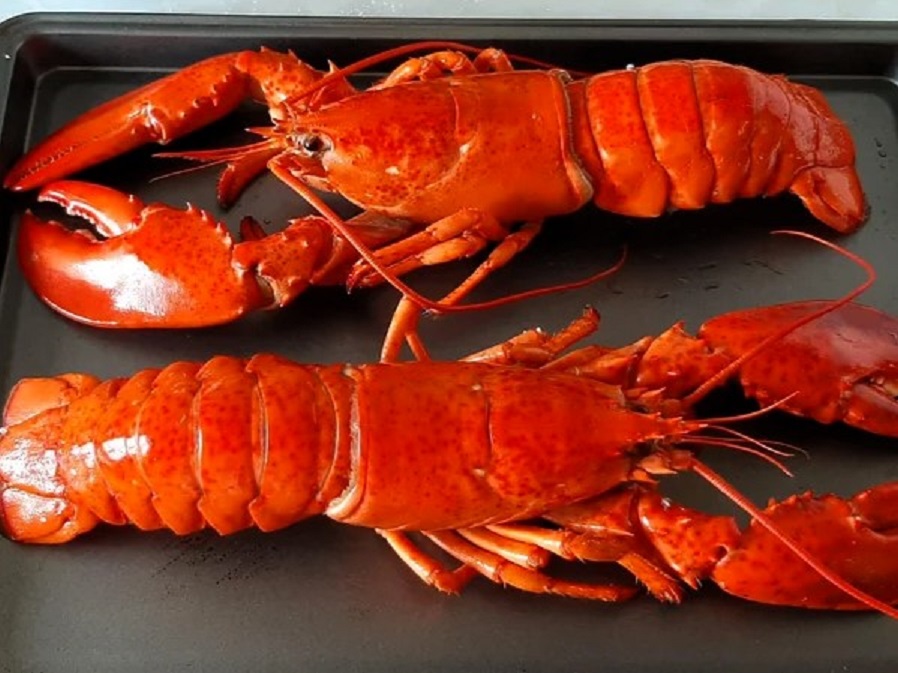
How to Cook Whole Lobster
• Bring a large pot of salted water to a boil
• Add live lobster headfirst
• Boil for 8–10 minutes for the first pound, plus 3 minutes for each additional pound
• Shell turns bright red, and meat becomes white and opaque
Steaming option: Use same timing with a large steamer basket
How to Tell If Lobster Is Done
• Tail meat is opaque white, not translucent
• Shell is vibrant red
• Internal temperature is 140–145°F
• If meat curls too tightly, it may be overcooked
Tip: Insert a wooden skewer to keep tails from curling during cooking.
What to Serve with Lobster
Melted or garlic butter (add lemon juice and minced garlic)
Lemon wedges for a fresh finish
Steamed veggies like green beans or corn on the cob
Baked potatoes or mac and cheese for a hearty side
Lobster rolls (chopped lobster meat in a buttered hot dog bun)
Fresh salad with lemon vinaigrette

Final Tips for Cooking Lobster Like a Pro
Whether you’re preparing Costco lobster tails for a special dinner or just trying something new at home, keep these final tips in mind to help you nail it on the first try:
Always choose cold water lobster tails for best flavor and texture
Cold water lobsters, typically sourced from regions like Maine or Canada, have firmer, sweeter, and more delicate meat compared to warm water lobsters, which can be mushier or stringy. While they may cost a little more, the difference in quality is worth it—especially if you’re aiming for that restaurant-quality experience.
Avoid overcooking—lobster becomes rubbery quickly
Lobster is a very lean protein, and it cooks faster than you think. Whether you’re boiling, broiling, or grilling, just a minute or two too long can turn that tender meat into something tough and chewy. Always use an instant-read thermometer and aim for an internal temp of 140–145°F. The meat should look opaque and white—not translucent or dried out.
Stick with simple seasonings like lemon, garlic, butter, and parsley
Lobster has a naturally sweet and briny flavor that shines with just a few classic ingredients. A squeeze of fresh lemon, a drizzle of melted garlic butter, or a sprinkle of chopped parsley is often all you need. You don’t need to drown it in sauce—less is more when it comes to lobster.
Don’t be afraid—lobster is easier to make than it looks!
Cooking lobster might seem fancy or intimidating, but it’s actually very beginner-friendly. If you can boil water or turn on your oven, you can cook lobster tails. The key is following a few simple steps, using the right tools, and giving yourself permission to try. It’s one of those meals that feels luxurious but is surprisingly doable—even on a weeknight.
If you’re trying lobster for the first time or want to perfect your technique, bookmark this post or share it with a friend. You don’t need culinary school to cook a perfect lobster tail recipe at home—you just need a few ingredients, a little guidance, and a passion for great food.