Last Updated on December 9, 2025 by Karen
Learn exactly how much pulled pork you need to feed 40 people, plus step-by-step tips for cooking, serving, storing, and planning for a large group with confidence.
Planning food for a crowd can feel overwhelming, especially if it’s your first time cooking pulled pork for a big event. You want enough food for everyone, including big eaters, but you also want to avoid overspending or ending up with pounds of meat no one touches. Whether you’re hosting family reunions, birthday parties, backyard cookouts, or other large gatherings, the first thing you need to know is how much pork to buy.
Pulled pork is one of the best choices when cooking for a large group because it stretches well, stays tender through slow cooking, and is easy to adjust to different tastes. Thanks to the connective tissue in pork shoulder and boston butt, you get juicy, flavorful results even after an extended period of time. This full guide walks you through exactly how much pork you need, how to cook it properly, how to serve it, and how to make sure you have enough food for everyone.
How Much Pulled Pork to Feed 40 People
The most common question people ask is “How much pork do I need?” Whether you’re serving pork sandwiches, pork sliders, pork pizza, or plates with side dishes, the good rule of thumb is simple: plan for 1/2 pound of raw pork per person. Since much raw pork shrinks during cooking, you’ll end up with about half its original weight once the cooking process is finished.
For 40 people:
20 pounds of raw pork → about 10 pounds cooked pulled pork
25 pounds of raw pork → about 12–13 pounds cooked (better for big eaters)
If you expect 40-50 people or guests who love seconds, it’s wise to buy a few extra pounds of pork butt or picnic shoulder just to be on the safe side.
If you are serving many side dishes, or if you also prepare additional meats like hot dogs or grilled chicken, you may not need as much pork per person. Just consider your number of guests and their eating habits.
How Raw Meat Shrinks During Cooking
Much meat shrinks due to fat melting and water escaping. When the connective tissue breaks down during slow cooking, the weight of the pork drops by 40–50%. That’s why pounds of raw pork never match the weight of finished meat.
For example:
20 pounds raw pork → 10 pounds cooked pulled pork
30 pounds raw pork → 15 pounds cooked pulled pork
This shrinkage means you should never plan based on cooked weight—you won’t get enough meat. Always buy based on raw weight.
If you’re cooking for a lot of children or big eaters, lean toward 25–30 pounds of meat for 40 people.
The Best Cut of Meat for Pulled Pork
Choosing the right cut of meat is the best way to ensure juicy results. Not all pork cuts handle slow cooking the same way, so here are the top choices:
Boston Butt
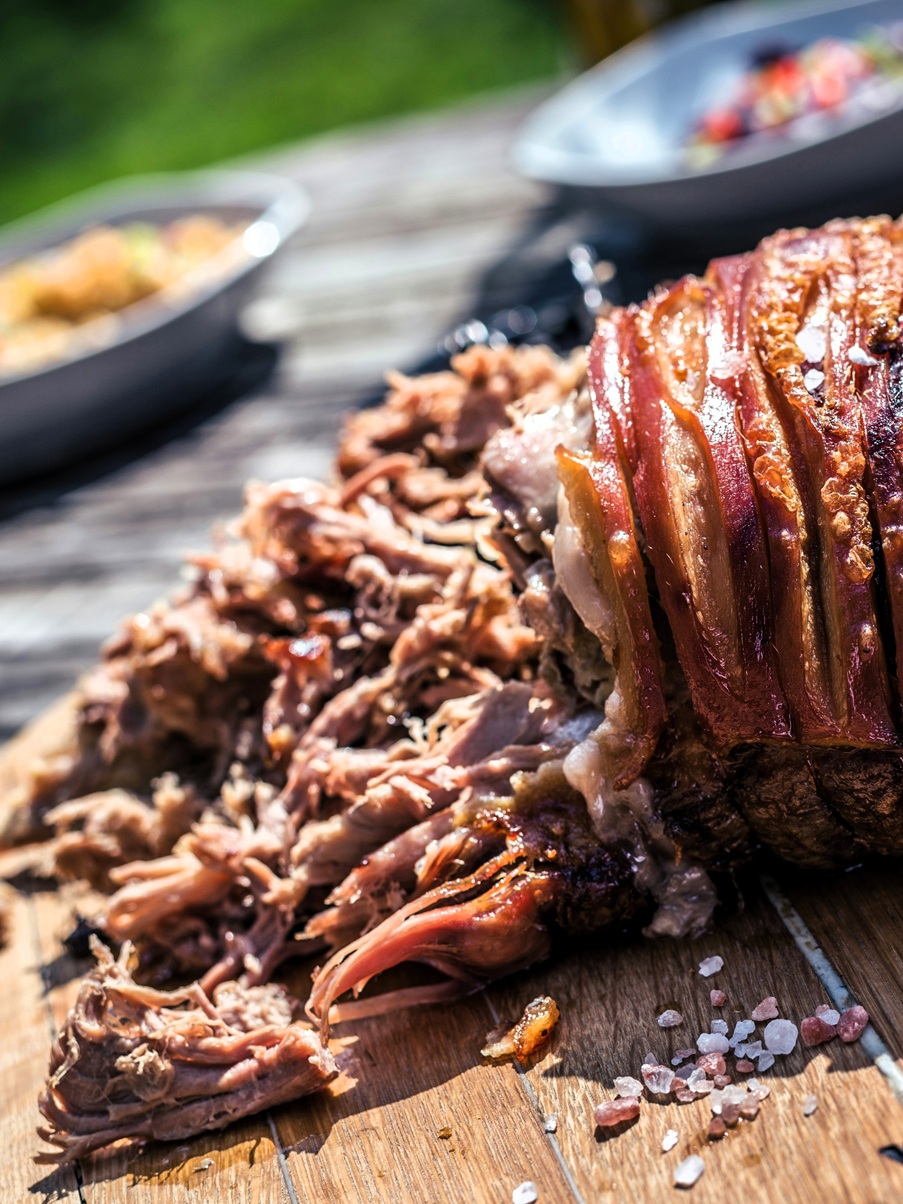
This is the most common cut for pulled pork. Pounds of pork butt contain plenty of fat and connective tissue, making it tender and flavorful. Boneless pork butt also cooks more evenly and shreds easily.
Pork Shoulder
Often called picnic shoulder, this cut of meat is slightly leaner but still excellent for pulled pork. It may take longer to reach probe tenderness, but the smoky flavor is worth the wait.
Pork Loin
A lean option that works if you need a quicker pork recipe. However, much meat from pork loin dries out easily, so consider adding broth or sauce during slow cooking.
Pork Shoulder vs. Boston Butt
If it’s your first time cooking for a large group, boston butt is the best way to guarantee tender and juicy results.
How to Calculate Exactly How Much Pork You Need
Here is the simple formula to follow:
Amount of pork per person × number of guests = total raw pork needed
For most events: 0.5–0.75 pounds of raw pork per person
For 40 people:
0.5 × 40 = 20 pounds raw pork
0.75 × 40 = 30 pounds raw pork
If your guests are big eaters or you won’t offer many side dishes, lean toward 30 pounds.
If hosting family reunions with many kids and plenty of side dishes, 20–22 pounds will be enough food.
Cooking Pulled Pork for a Large Group
Slow cooking is the best way to prepare pulled pork because it breaks down connective tissue and melts fat over an extended period of time. This gives you meat that shreds easily and stays moist.
Seasoning & Dry Rub
Coating the pork with a dry rub before cooking helps build flavor and creates a crust that holds in moisture. You can use simple seasonings or a spicy mix depending on your pork recipe.
Internal Temperature
Use a temperature probe to check doneness. The internal temperature should reach 195–205°F for perfect shredding. But temperature alone is not the last thing to check—you must also check probe tenderness.
Probe Tenderness
The best way to know your pork is done is when a temperature probe slides into the meat with almost no resistance. If it still feels tough at the hour mark you’re checking, keep cooking. Pork shoulder takes time.
Total Cook Time
Depending on the size of your pork butt or picnic shoulder, total cook time can be 8–14 hours.
Slow cooking in a smoker, oven, or slow cooker works well. Just remember that the cooking process is slow and cannot be rushed.
Using a Slow Cooker for Pulled Pork
A slow cooker is great when cooking pounds of meat without much effort. Place the pork at the top of the pot with the fat facing upward so the juices baste it as it cooks.
Tips for success:
Don’t open the lid until the last thing—you’ll lose heat and slow the cooking process.
If cooking more than 8–10 pounds of pork, use multiple slow cookers.
Add broth for lean cuts like pork loin.
Use a temperature probe during the last hour or two.
Serving Options for 40 People
Serving a large group means offering choices that stretch the meat and satisfy everyone. Pulled pork can be served in many delicious ways:
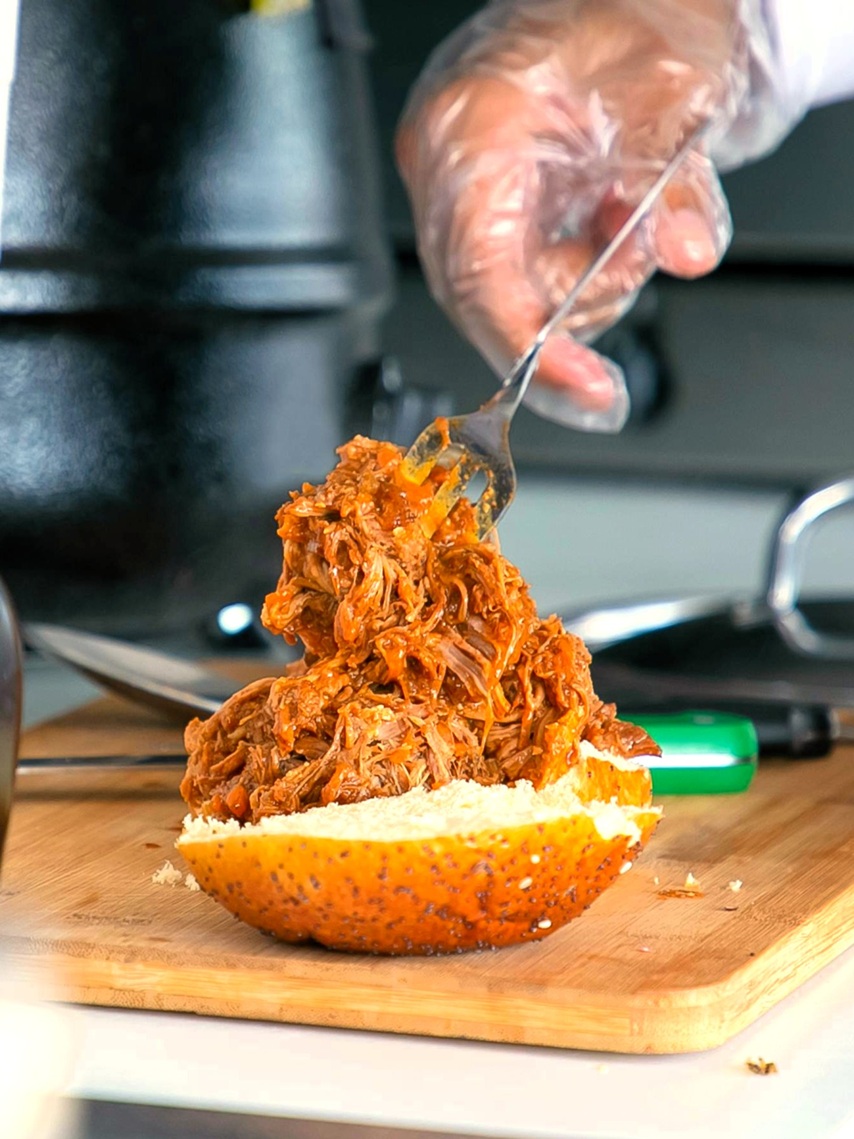
1. Sandwiches & Sliders
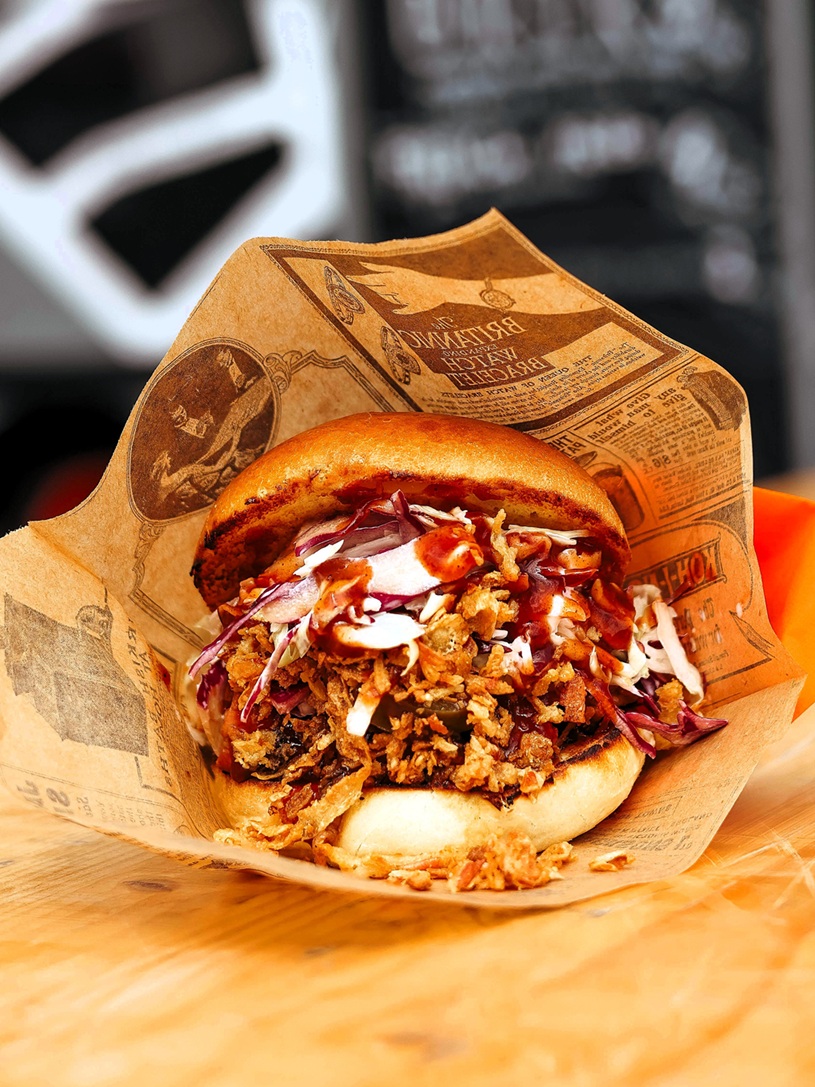
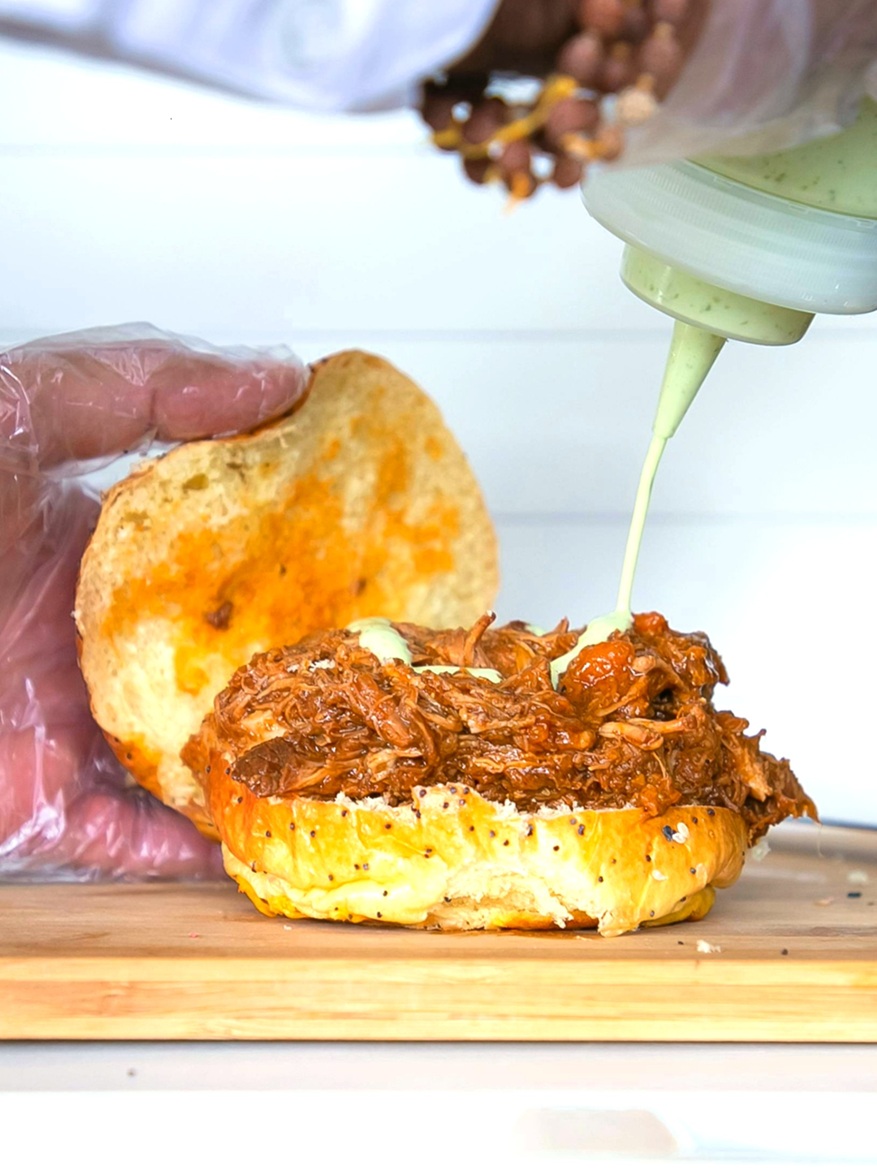
Pork sandwiches with hamburger buns
Pork sliders for smaller portions
Pork pizza for something unique
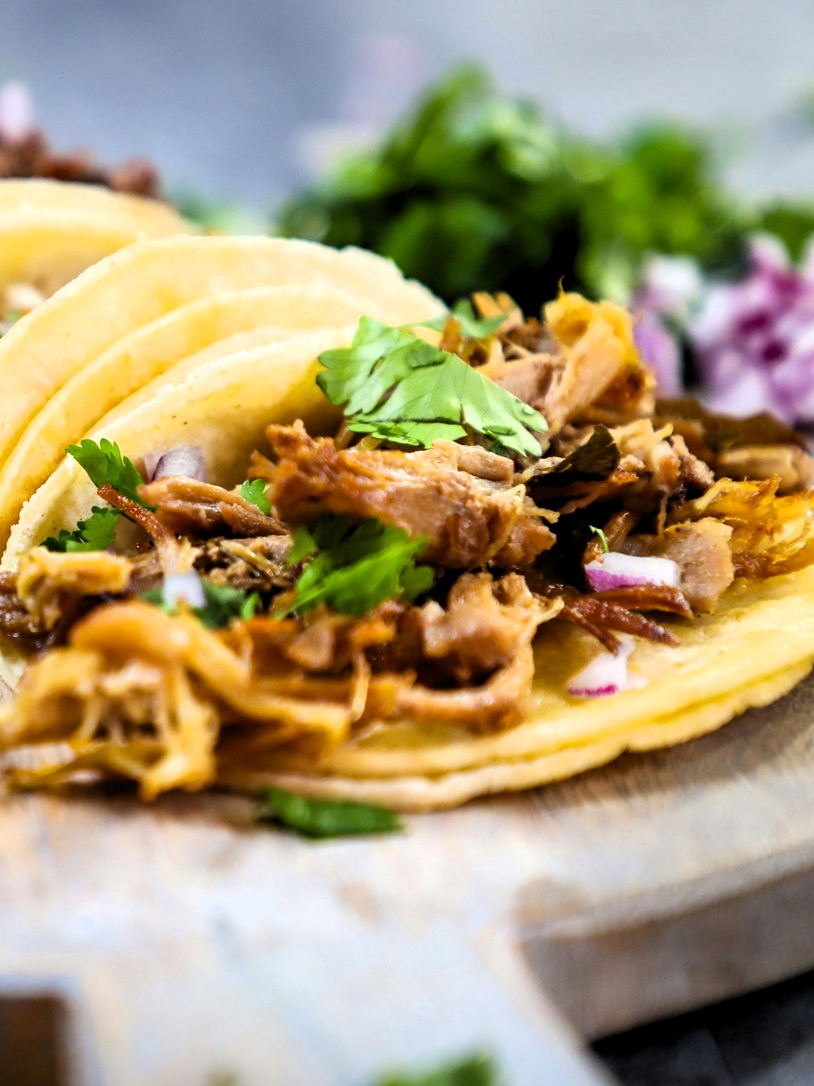
Taco-style pulled pork in soft tortillas
2. Buffet Plates
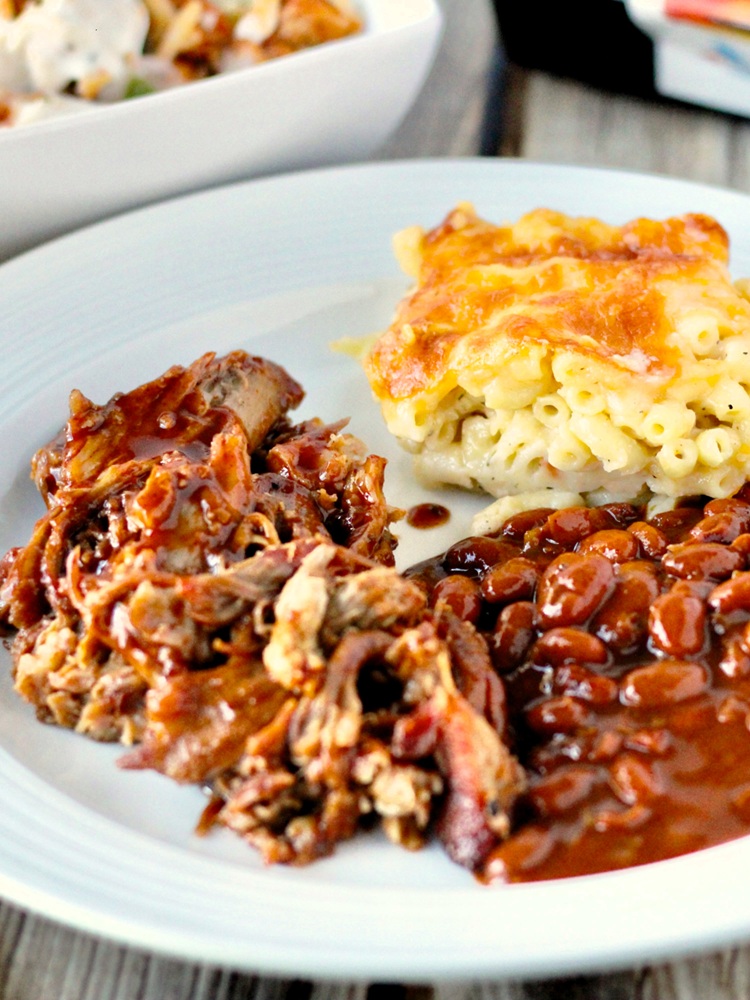
Offer guests a simple plate with pulled pork plus side dishes such as:
Potato Salad
Coleslaw
Baked Beans
Mac and Cheese
Corn on the Cob
Fresh Fruit Trays
Roasted Veggies
Chips and Dip
Cornbread
Pasta Salad
Green Salad
Pickles
Hush Puppies
Sweet Rolls
Spicy Beans
3. Kid-Friendly Options
If you have a lot of children, include:
Hot Dogs
Fruit Cups
Mac and Cheese
Rolls
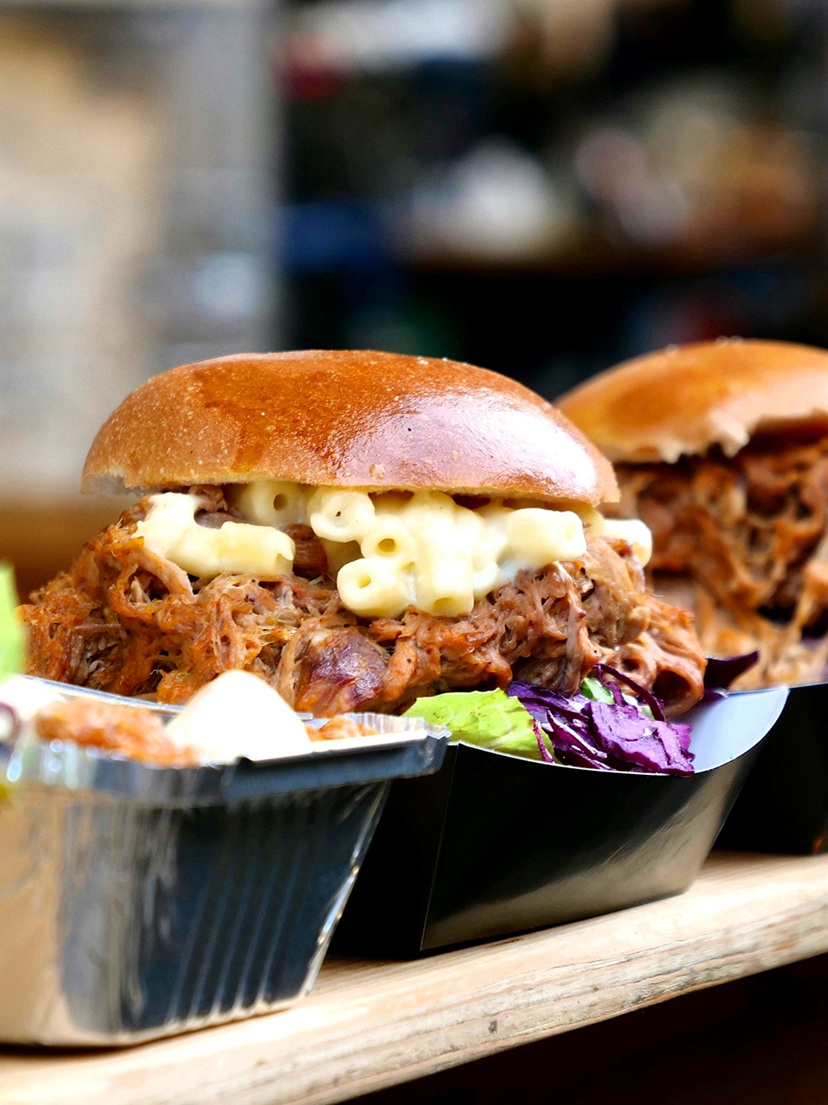
Small Pork Sliders (I like to serve with Hawaiian sweet rolls for Kalua pork style sliders)
Kids don’t eat much meat, so they help stretch your total amount of pork.
4. Party Add-Ons
If you worry you won’t have enough food, add:
Sausages (brats and/or hot dogs)
Chicken Wings and Drumsticks
Additional Meats
Veggie Trays
These items help feed big eaters and reduce the amount of pork needed.
Storing and Reheating Leftover Pulled Pork
Pulled pork stores well and reheats beautifully.
Storing
- Keep leftovers in an airtight container.
- Refrigerate for 3–4 days.
- Freeze for 2–3 months.
Reheating
- Place pork in a foil pan.
- Add broth or sauce to keep it moist.
- Cover with foil and heat slowly.
Reheated pork can be used for pork sliders, quesadillas, nachos, and pork pizza. This is the best way to give leftovers new life.
How Do I Know If I Have Enough Meat?
It’s always better to plan slightly more than you think you’ll need. For 40 people, 20–25 pounds of raw pork is generally enough food. If serving many sides, you can stay at the lower range. If serving mostly pork sandwiches, increase the amount of pork to 25–30 pounds.
Buying an extra pound or two ensures you’re on the safe side.
Can I Cook the Pork Ahead of Time?
Yes, and many experienced cooks believe cooking ahead is the best way to serve pulled pork at large gatherings. Cooking the pork the day before lets the flavors develop as it sits in an airtight container overnight.
When you’re ready to serve, simply reheat in a foil pan with a splash of broth or sauce. This makes the meat tender, juicy, and easier to shred.
This method is ideal for family reunions, church events, or any event where the last thing you want to do is rush through cooking.
How Do I Know the Pork Is Fully Done?
Temperature matters, but tenderness is the real test.
Internal Temperature
The pork should reach 195–205°F.
Probe Tenderness
Use a temperature probe to check how easily it slides into the meat.
If it glides through with little resistance, it’s ready. If it’s still tough, keep cooking even if it has reached the right internal temperature. The connective tissue may still need more time to break down.
This step is the best way to get perfect results.
What If This Is My First Time Cooking for a Crowd?
Good luck—you’ll do great! Cooking pulled pork for 40 people may seem intimidating, but once you understand the amount of pork you need and how long slow cooking takes, you’ll feel much more confident.
Here are beginner tips:
- Start early to avoid rushing the total cook time.
- Choose b]Boston butt or pork shoulder for the most forgiving results.
- Use a temperature probe to avoid guessing.
- Don’t panic at the hour mark when the meat still feels tough—slow cooking takes time.
- Plan plenty of side dishes to help stretch the amount of pork.
- After your first time, you’ll realize how simple and rewarding it can be.
Feeding 40 people doesn’t have to be difficult. By following a good rule of thumb for portion sizes, choosing the right cut of meat, planning side dishes, and cooking the pork to tender perfection, you can confidently serve a delicious meal to a large group.
Last weekend I cooked for a large group of 38 adults and a lot of children. I used 24 pounds of raw pork shoulder and cooked it in two smokers. At the hour mark of checking tenderness, it was still too firm, but I trusted the slow cooking process.
After about 12 hours, the pork had the right consistency and great smoky flavor. I shredded it into a foil pan, added sauce, and kept it warm. We had enough food for everyone and enough leftovers for pork sliders and pork pizza the next day.
Whether you’re planning for family reunions, cookouts, or any large gatherings, this guide ensures you have enough meat and a stress-free experience. Enjoy your event, and good luck with your cookout!