Last Updated on December 6, 2025 by Karen
How long can Chinese food last safely in the fridge? Learn the exact time frames, safe storage rules, and reheating methods that keep leftover dishes fresh and prevent foodborne illnesses.
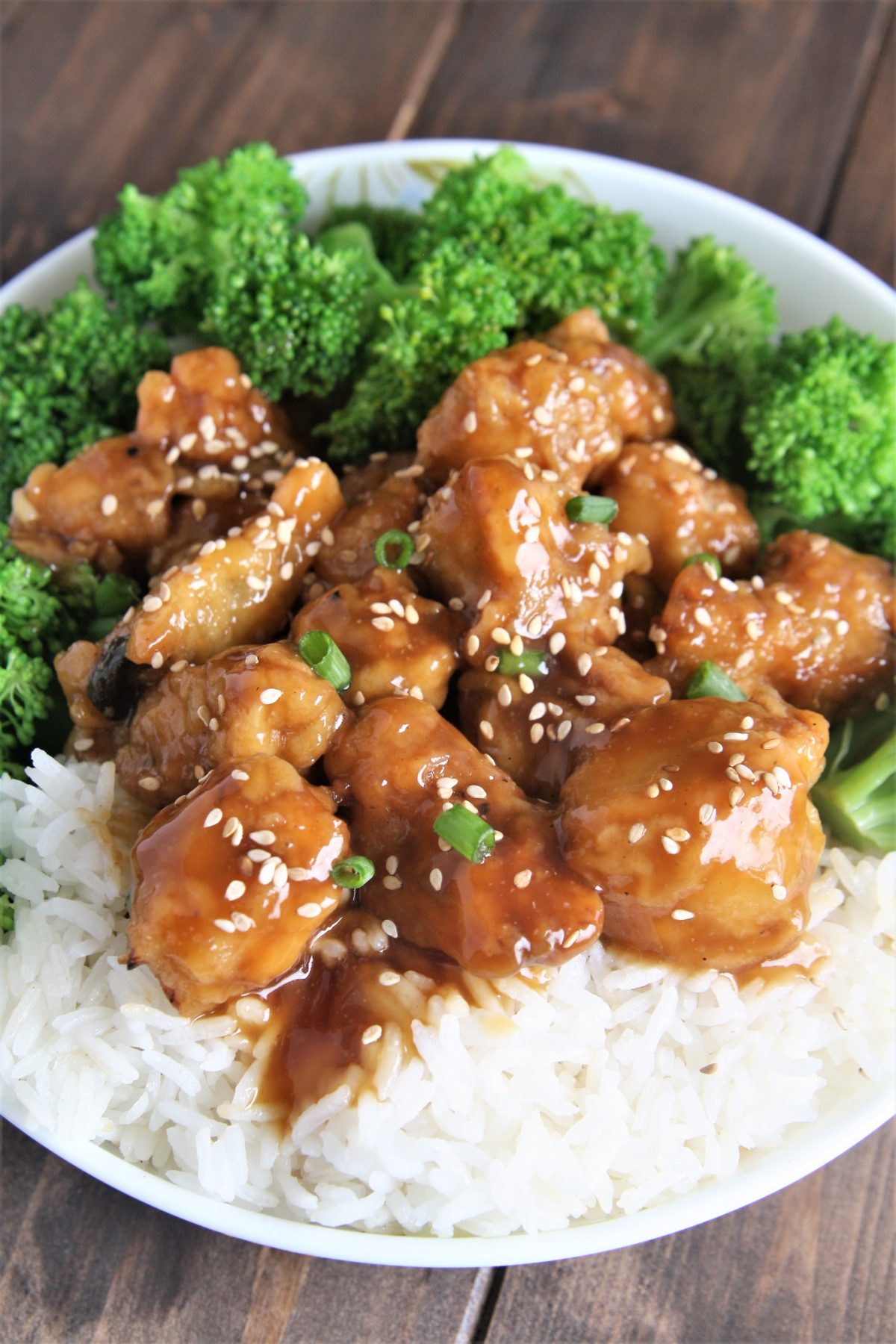
Chinese dishes are a popular choice for busy families, weekend treats, and quick weeknight meals. But lots of people wonder the same thing the following day: How long can Chinese food stay fresh before it becomes unsafe to eat? Whether you ordered your favorite chinese takeout or cooked dinner at home last night, knowing when leftover Chinese food is still safe can protect you from harmful bacteria, reduce food waste, and keep your meals tasting great.
This guide breaks everything down in simple, easy-to-read steps—based on food safety rules, years of experience, and clear recommendations from the U.S. department of agriculture. You’ll learn how long different menu items last, how to store them, how to reheat them for best results, and how to spot signs of spoilage before you take the first bite.
How Long Can Chinese Food Last Safely in the Fridge?
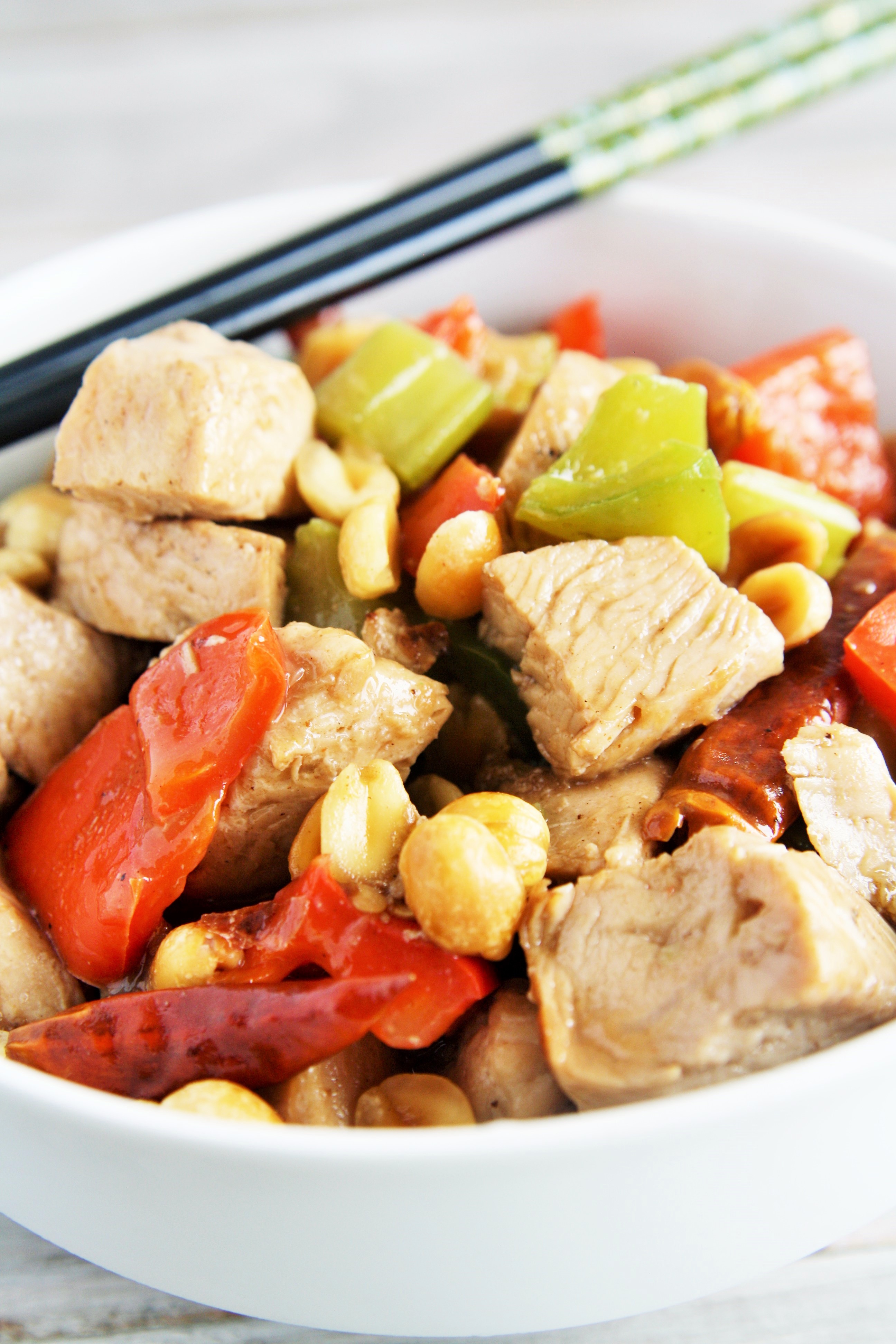
The general rule for most perishable foods, including Chinese dishes, is 3–4 days when stored correctly. This time frame applies to common items like kung pao chicken, chow mein, general tso’s chicken, lo mein, fried rice, sour chicken, crab rangoon, egg rolls, noodle dishes, white rice, and soups like egg drop soup or wonton soup.
Why 3–4 days? Like all leftover food, Chinese food leftovers can develop bacterial growth when kept for too long. Cold temperatures slow harmful bacteria, but they don’t stop them. After 3–4 days, the risk of food poisoning increases quickly, even if the texture of the food still seems normal.
If you’re unsure whether your takeout Chinese food is still good, it’s safer to throw out old leftovers than to risk foodborne illnesses. Chinese takeaway food left longer than 4 days—especially if stored in the back of the fridge where temperatures vary—should not be eaten.
The Role of Temperature and Bacterial Growth
Temperature plays a key role in food safety. When hot food cools down, it passes through the temperature range known as the danger zone: 40–140 degrees fahrenheit (or 4–60 degrees celsius). In this range, harmful bacteria multiply quickly.
If leftover Chinese takeout sits at room temperature for too long before going into the fridge, bacillus cereus spores found especially in leftover rice may grow. This is one of the biggest reasons takeaway rice has a shorter shelf life than other menu items.
For best results, always refrigerate restaurant leftovers within 2 hours, or 1 hour if the room temperature is above 90 degrees fahrenheit. Proper storage techniques and correct temperature play a key role in food safety.
Proper Storage Guidelines for Chinese Food Leftovers
Using proper storage techniques protects the quality of the food and reduces the risk of foodborne illnesses. Follow these steps for safer, longer-lasting leftovers:
Use the Right Containers
While many people store leftovers in the original Chinese takeout containers, they’re not the best way to keep food safe. Instead, transfer everything into an airtight container or a freezer-safe container if you plan to store it longer than 3–4 days.
Store Food in Shallow Portions
Spreading food into a single layer or shallow dish helps it cool faster and keeps bacteria from multiplying. Avoid piling everything together in one deep container.
Refrigerate Promptly
Move leftover Chinese food to the fridge as soon as the residual heat drops and the cooking process is complete. This keeps it out of the danger zone.
Keep It Out of the Back of the Fridge
The back of the fridge may be colder, but it also freezes certain dishes unevenly, leading to freezer burn or a change in texture. Store leftovers in the center where the temperature is more stable.
Label with a Use-By Date
The next time you put away leftovers, mark them with a simple date so you know when the 3–4 day limit ends. This helps prevent food waste and ensures better food safety.
How Long Different Chinese Dishes Last
Different menu items have different shelf lives because their ingredients hold moisture and warmth differently.
Rice Dishes
White rice, leftover rice, and takeaway rice require careful handling because uncooked rice can host bacillus cereus spores. Even cooked rice should be eaten within 1–3 days. If it smells strange the following day, throw it out.
Noodle Dishes
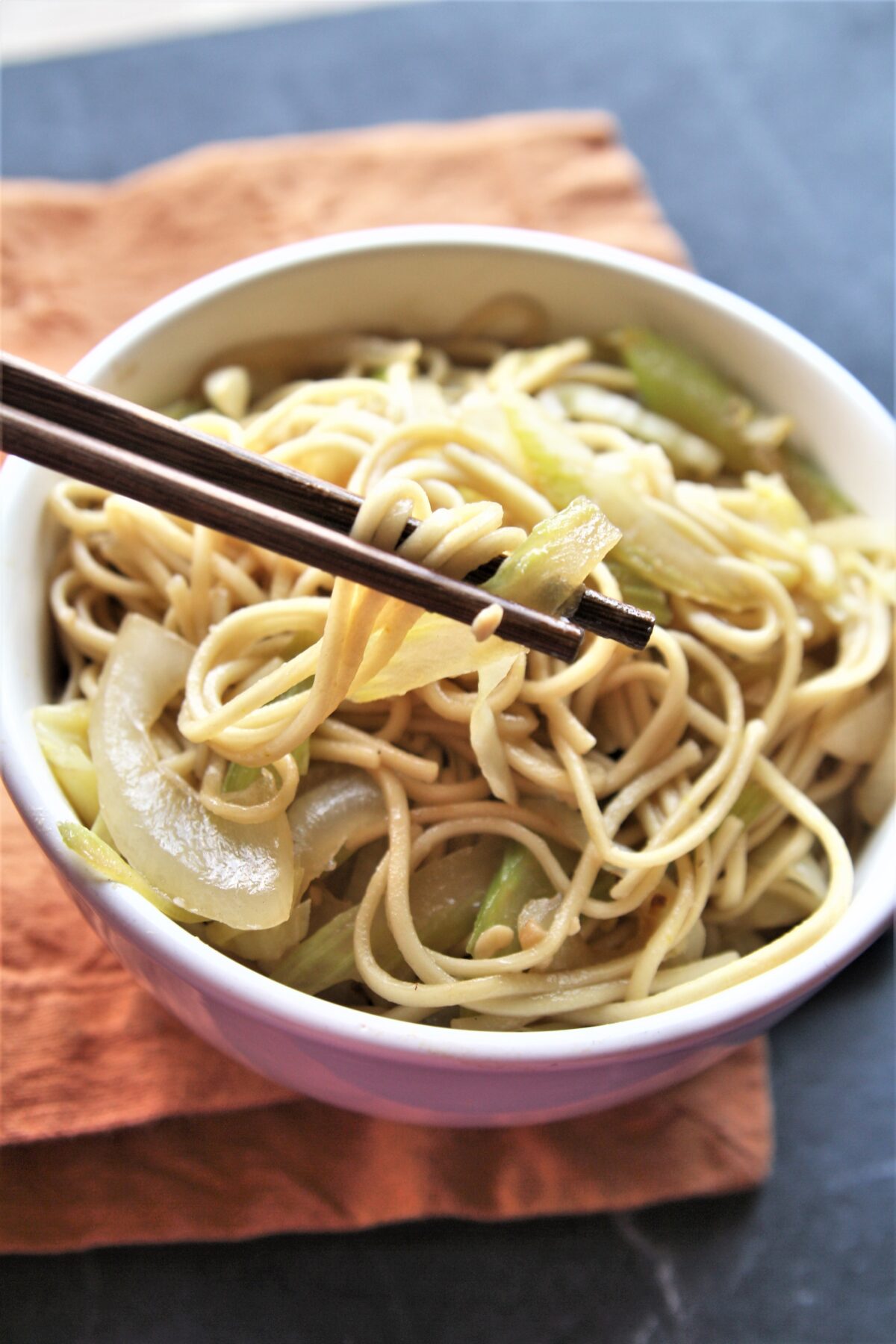
Chow mein and lo mein last 3–4 days if kept in an airtight container. Their oils and sauces help preserve texture but do not stop bacterial growth.
Fried or Crispy Items
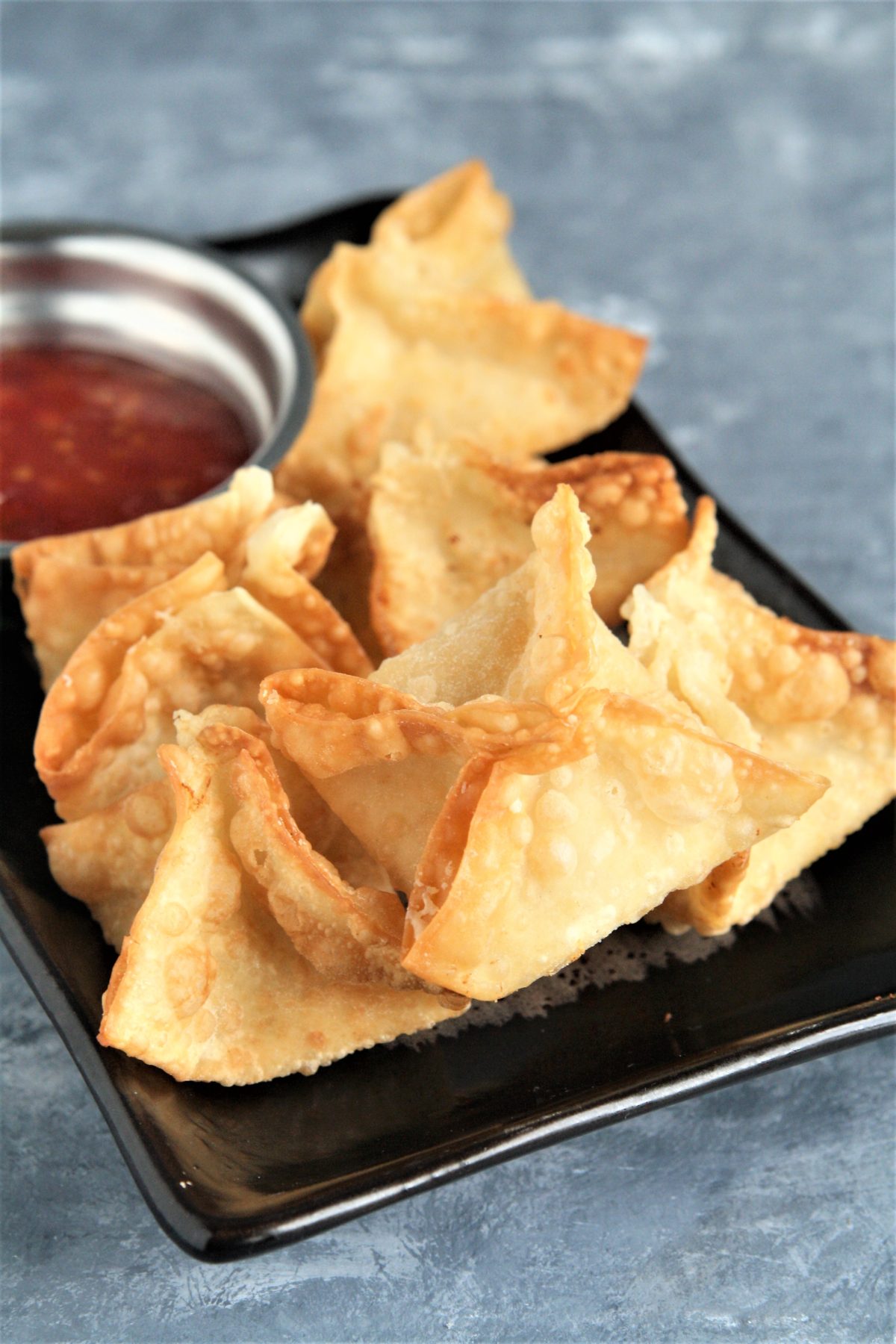
Crispy items like crab rangoon or egg rolls will soften quickly. They are safe for up to 3 days, but the texture of the food changes fast.
Saucy Stir-Fries
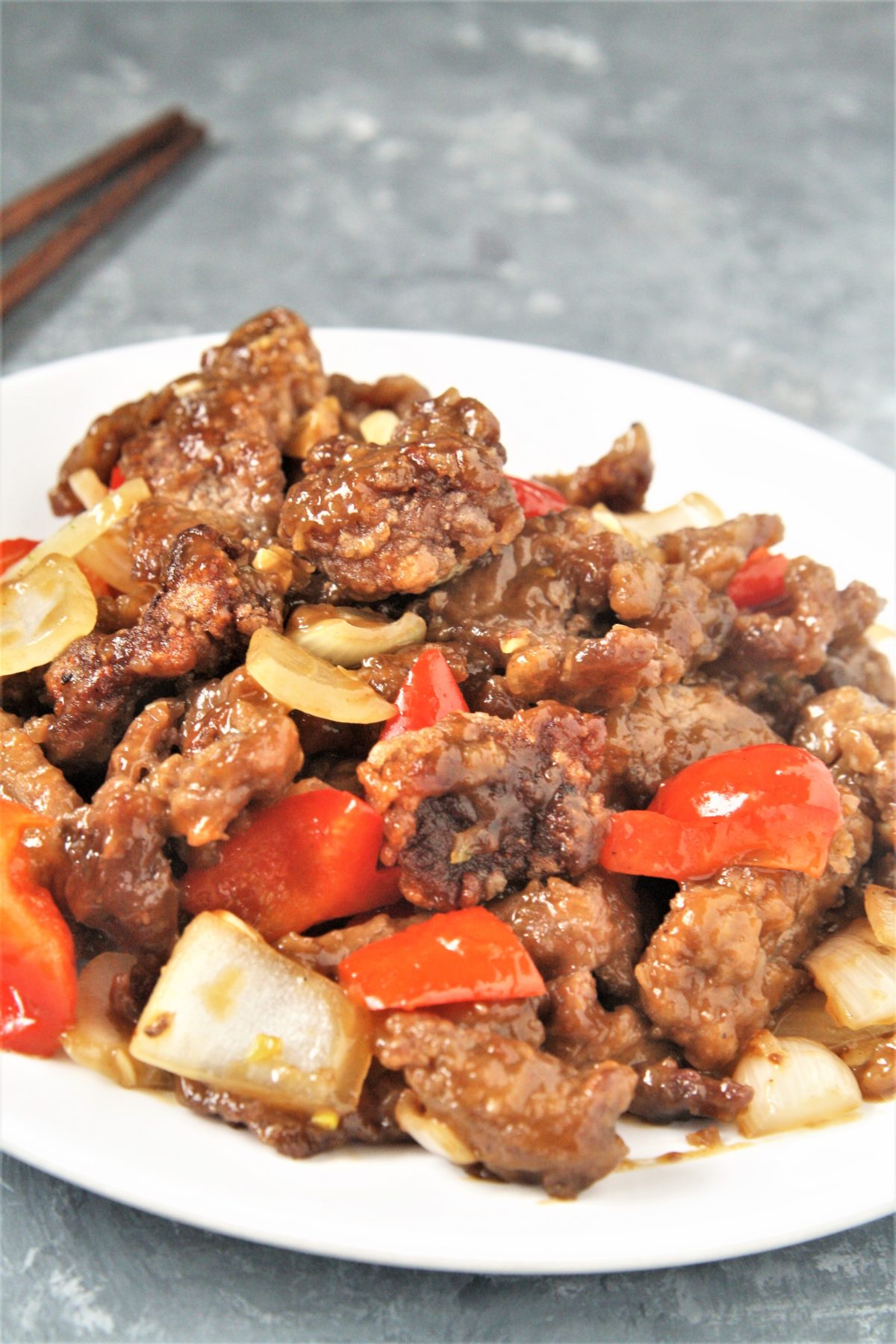
Kung pao chicken, general tso’s chicken, and sweet and sour chicken typically last 3–4 days because their sauces retain moisture.
Soups
Egg drop soup, wonton soup, hot and sour soup, and other Chinese soups should be stored in airtight containers and can generally last 2–3 days in the fridge. Soups have a higher water content, which makes them more perishable, and leftover soup that sits in the back of the fridge for a long time may develop harmful bacteria faster. Always reheat thoroughly to the correct internal temperature and check for any off smells or changes in texture of the food before consuming.
Mixed Dishes
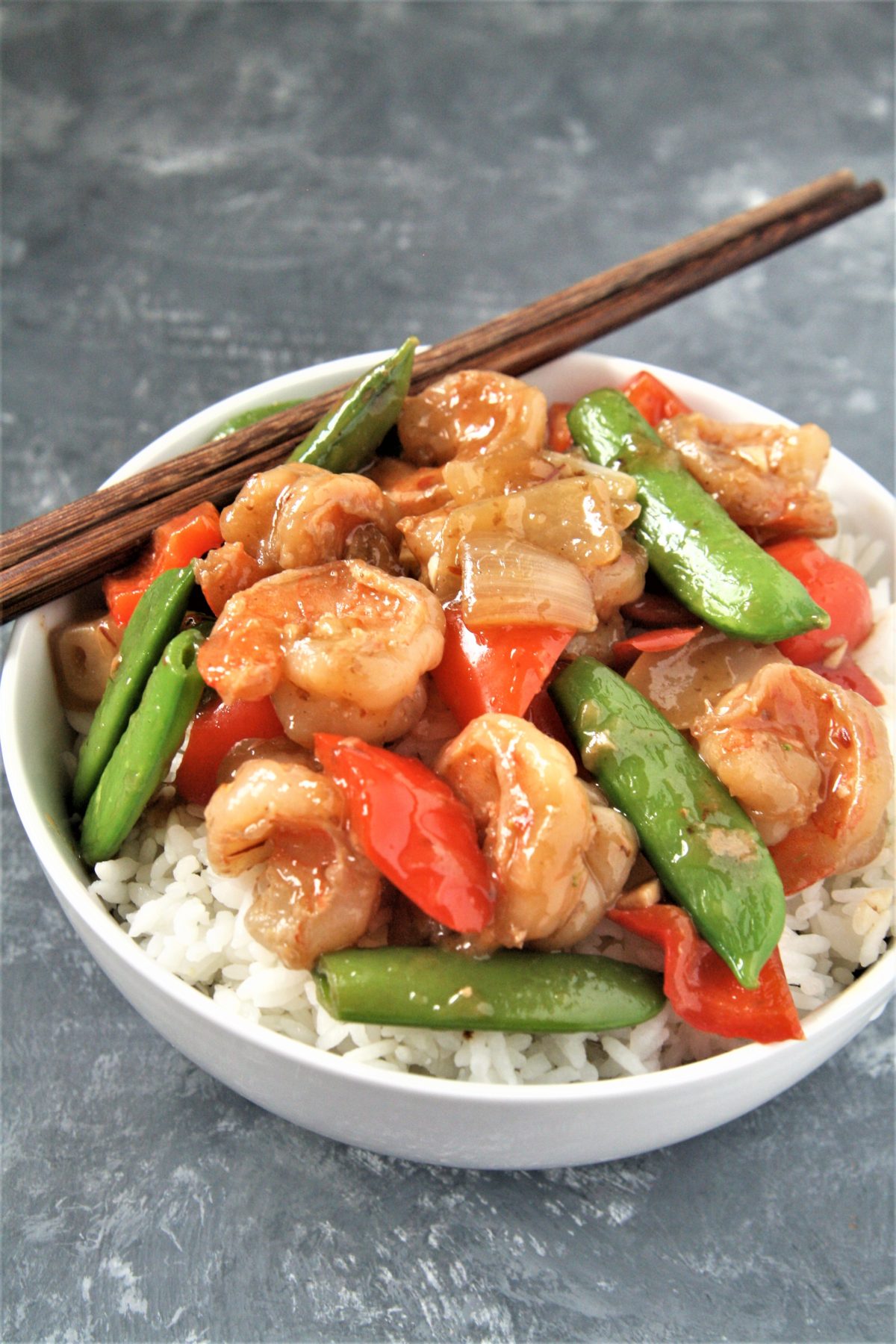
Chinese takeaway food that includes seafood has a shorter shelf life—2–3 days—due to faster spoilage.
Always check for signs of spoilage before reheating.
How to Tell If Your Leftover Chinese Food Is Spoiled
Before eating last night’s leftovers, look for these warning signs:
- Strange odors
- Slimy texture
- Color changes
- Mold spots
- Sour taste
- Bubbling or fizzing
- A swollen container
If you notice any signs of spoilage, do not taste-test it. Toss it out immediately to avoid the risk of food poisoning.
The Best Way to Reheat Chinese Food Safely
Proper reheating kills bacteria and brings back first-bite flavor. The goal is to heat everything to the correct internal temperature: 165 degrees fahrenheit internal temperature, measured with a food thermometer.
Air Fryer
The air fryer is a great option for crispy items because it restores crunch without drying. Reheat at medium-high heat in a single layer for best results.
Large Skillet
For noodle dishes, rice dishes, and saucy stir-fries, a large skillet with a little oil or a tablespoon of broth works well. Heat on medium heat, stirring until hot. You can add a dash of soy sauce if needed.
Microwave
Microwaving is quick but may change the texture of the food. Spread the leftovers in a single layer for even heating. Add a little water for leftover rice or soups.
Slow Cooker
Not recommended for reheating, because the slow cooker heats food too slowly and may keep it too long in the danger zone.
Oven
Use a baking sheet for crispy items, reheating at medium-high heat until hot throughout. This restores texture without overcooking.
Can You Reheat Chinese Food a Second Time?
Yes, but reheating a second time can increase bacterial growth if not done properly. To stay safe, only reheat what you plan to eat immediately. Each heating cycle shortens the lifespan and quality of the food.
Can You Freeze Chinese Food?
Freezing leftover Chinese takeout is a great option to reduce food waste and enjoy your favorite Chinese takeout later. Store it in a freezer-safe container, removing extra air to avoid freezer burn. Frozen leftovers can last 2–3 months. Rice dishes and soups freeze well if properly portioned and sealed.
Final Tips for Enjoying Chinese Leftovers Safely
Here are your top tips for avoiding sickness and keeping your meals delicious:
- Always refrigerate leftovers within 2 hours.
- Use proper storage guidelines and containers.
- Keep foods out of the danger zone.
- Reheat to 165°F internal temperature.
- Discard old leftovers after 3–4 days.
- Trust your senses: when in doubt, throw it out.
- For soups, stir thoroughly and reheat evenly.
- Portion leftovers in shallow layers or single layers for faster cooling.
- Use leftover Chinese takeout promptly to maintain first-bite flavor.
Following these steps ensures that your leftover Chinese food, from crispy egg rolls to hearty noodle dishes and soups, stays safe, tasty, and enjoyable the next day or even later.