Last Updated on September 30, 2026 by Karen
If you’ve ever wanted to try Japanese snacks but aren’t sure where to start, a Japanese snack subscription box can be a fun way to discover treats you may not find at your local grocery store.
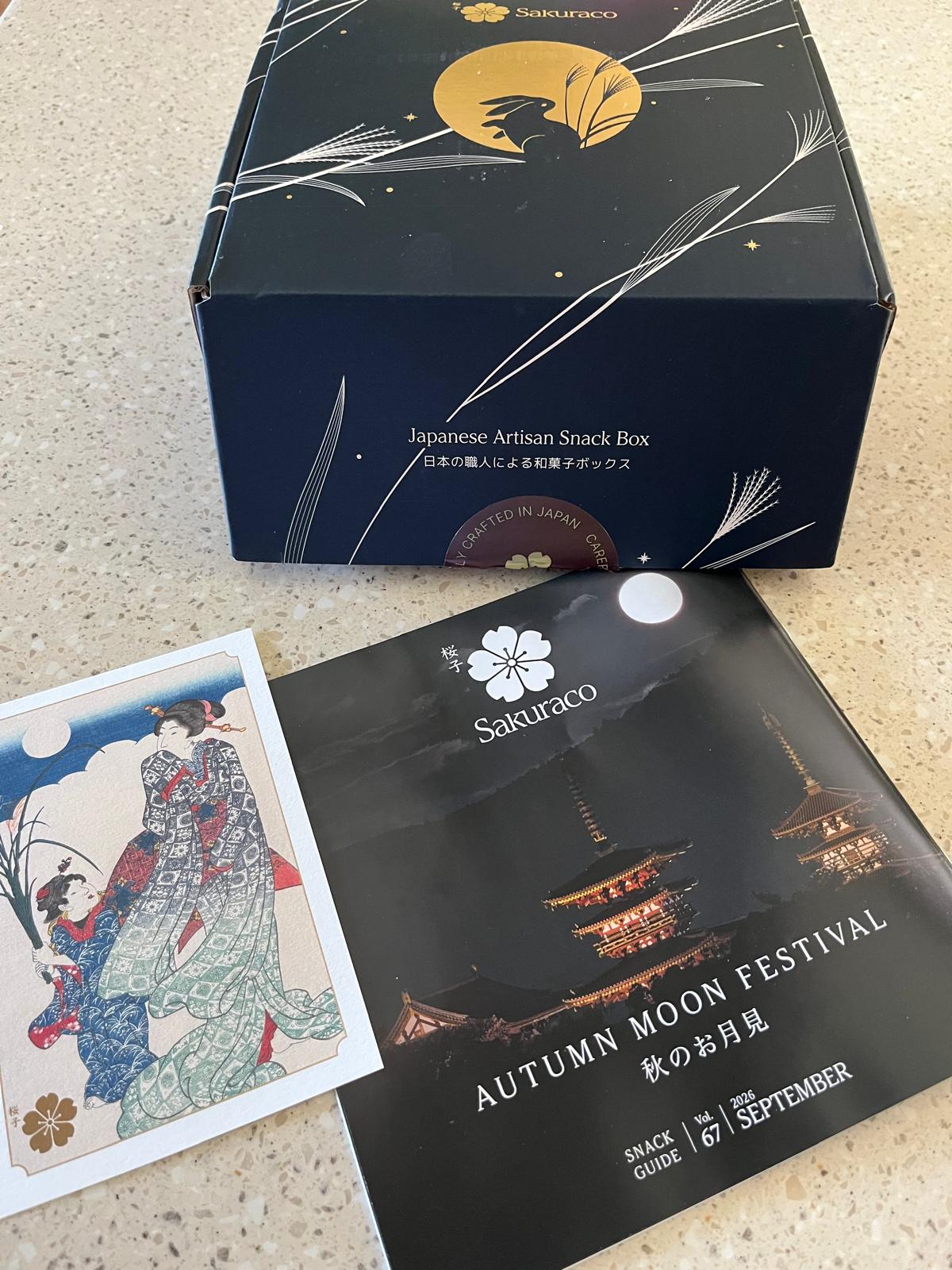
I recently received the September 2026 Sakuraco box, themed Autumn Moon Festival, and it arrived filled with a mix of traditional Japanese sweets, savory snacks, tea, and a small keepsake inspired by Tsukimi, Japan’s traditional moon-viewing celebration.
Sakuraco is a Japanese snack subscription box from Ichigo Inc., the same parent company behind TokyoTreat. While TokyoTreat focuses on more modern and pop-culture-inspired Japanese snacks, Sakuraco takes a more traditional approach, featuring regional treats, Japanese teas, traditional flavors, and other items that are meant to feel like a taste of Japan.
The September box is a great example of that approach! From tea and daifuku to senbei, candies, soy rice crackers, and grape jelly, there was quite a variety packed into the box.
Here’s a look at everything that came in my September Sakuraco box and what I thought of it.
What Is Sakuraco?
Sakuraco is a Japanese snack subscription box that focuses on traditional and artisanal Japanese snacks.
According to the company’s description, Sakuraco aims to bring regional Japanese treats, teas, and traditional items directly to subscribers. Each box has a different seasonal or cultural theme, making it more than just a box of random snacks.
This is one of the things that makes Sakuraco different from a typical snack subscription. The box is designed around a theme, and the snacks are selected to connect with Japanese food, culture, seasons, or traditions.
The September 2026 theme is particularly seasonal: Autumn Moon Festival.
What Is the Autumn Moon Festival?
The Autumn Moon Festival theme is based on Tsukimi, the Japanese tradition of moon viewing.
Tsukimi has been celebrated in Japan for more than a thousand years. The tradition began as an aristocratic custom and eventually became a celebration enjoyed more broadly throughout Japan.
The autumn moon has also inspired Japanese poetry, music, artwork, and seasonal foods.
One of the most recognizable symbols associated with Tsukimi is the rabbit, which is why you’ll notice rabbit imagery throughout this month’s box.
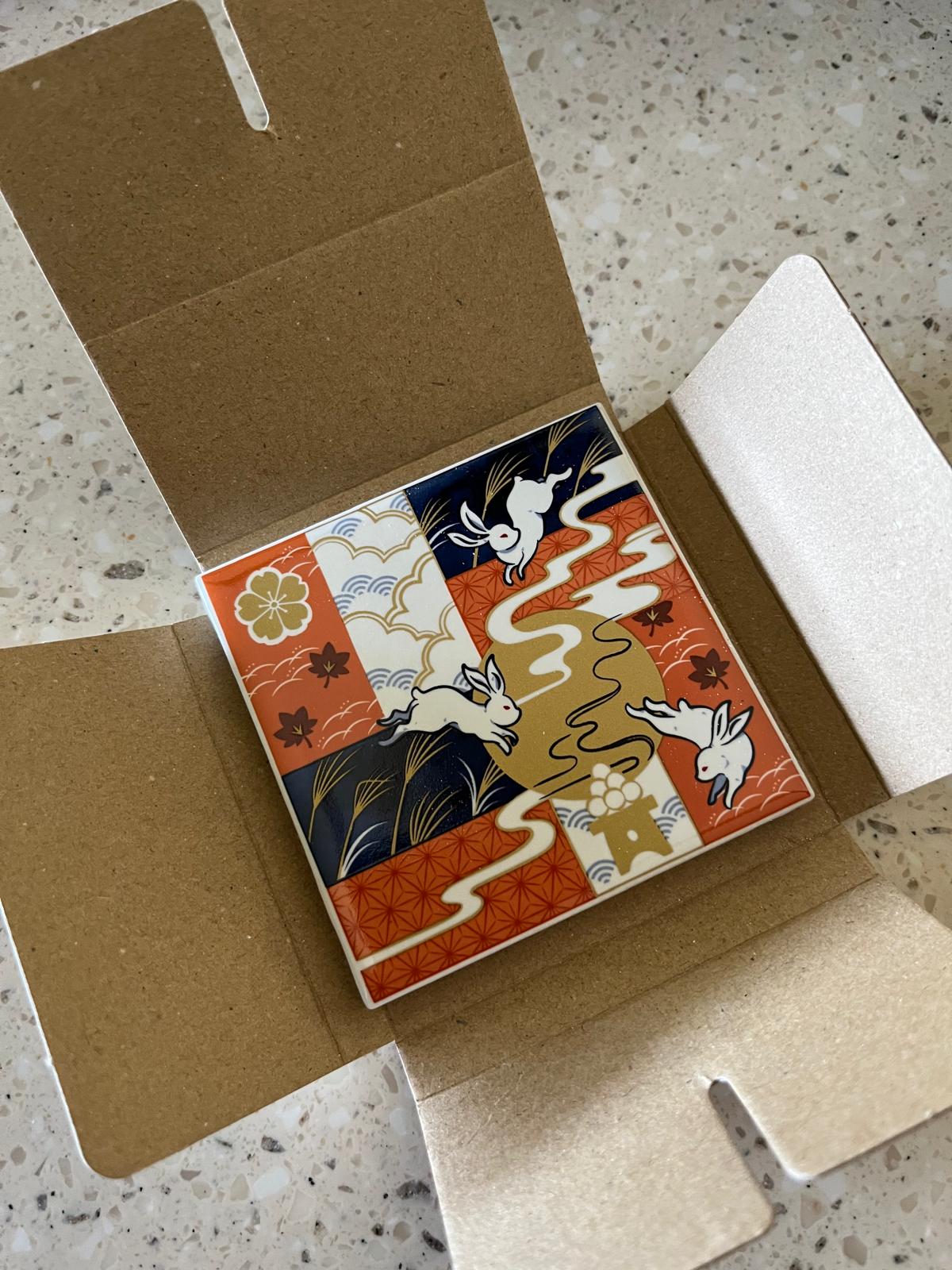
The September Sakuraco box incorporates that theme through several of its snacks as well as the included rabbit coaster. I can’t wait to use it for my Japanese tea!
Unboxing the September 2026 Sakuraco Box
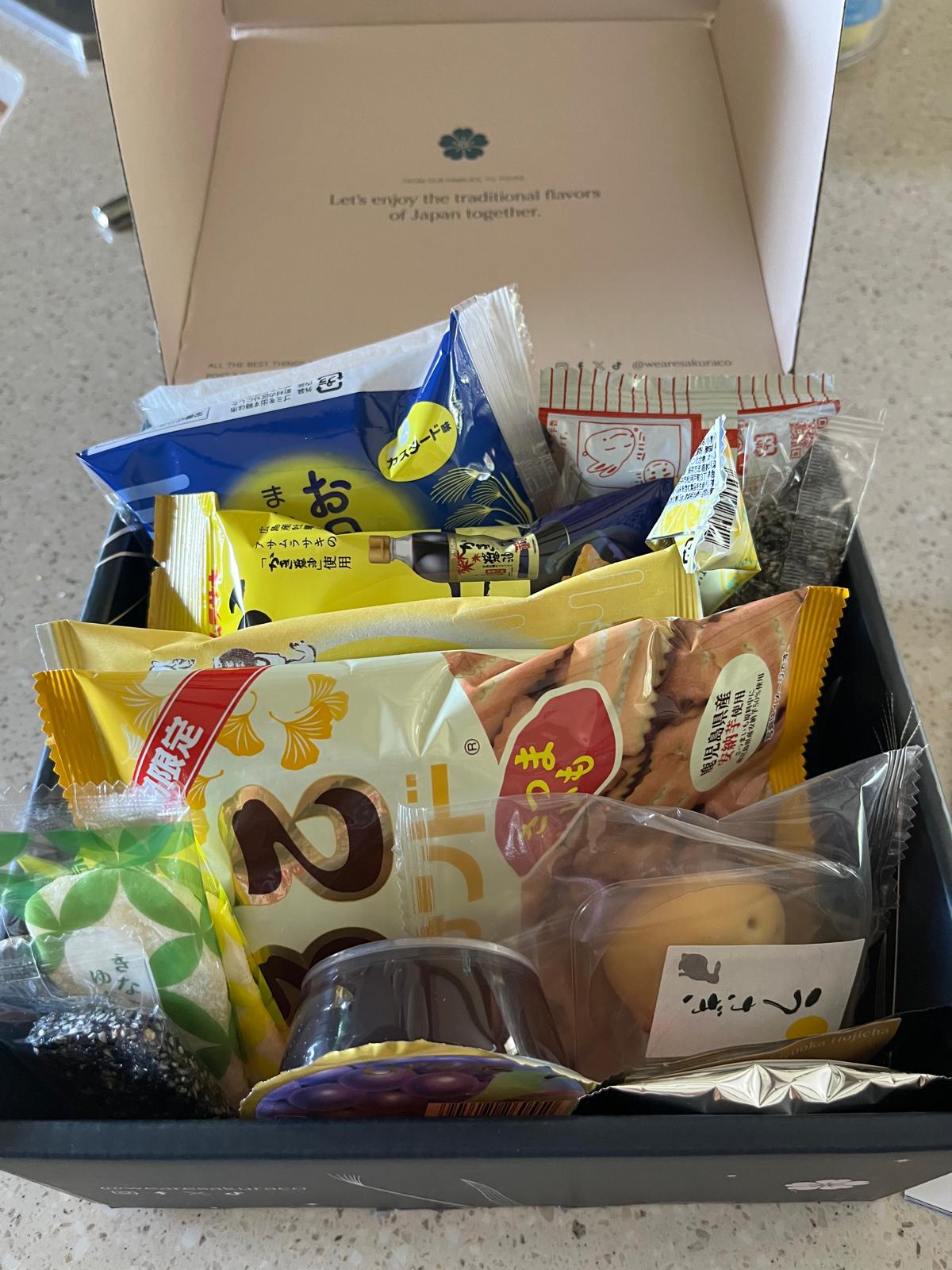
The September box is packed with 14 items, including both food and a collectible item.
Here’s what was included:
- Golden Roasted Hojicha
- Tsukimi Lemon Cream Cookie
- Koshian Daifuku
- Sweet Potato Shiruko Biscuits
- Tsukimi Arare
- Usagi Manju
- Tsukimi Rabbit Coaster
- Tsukimi Custard Cake
- Tsukimi Kohakuto
- Grape Jelly
- Black Sesame Okoshi
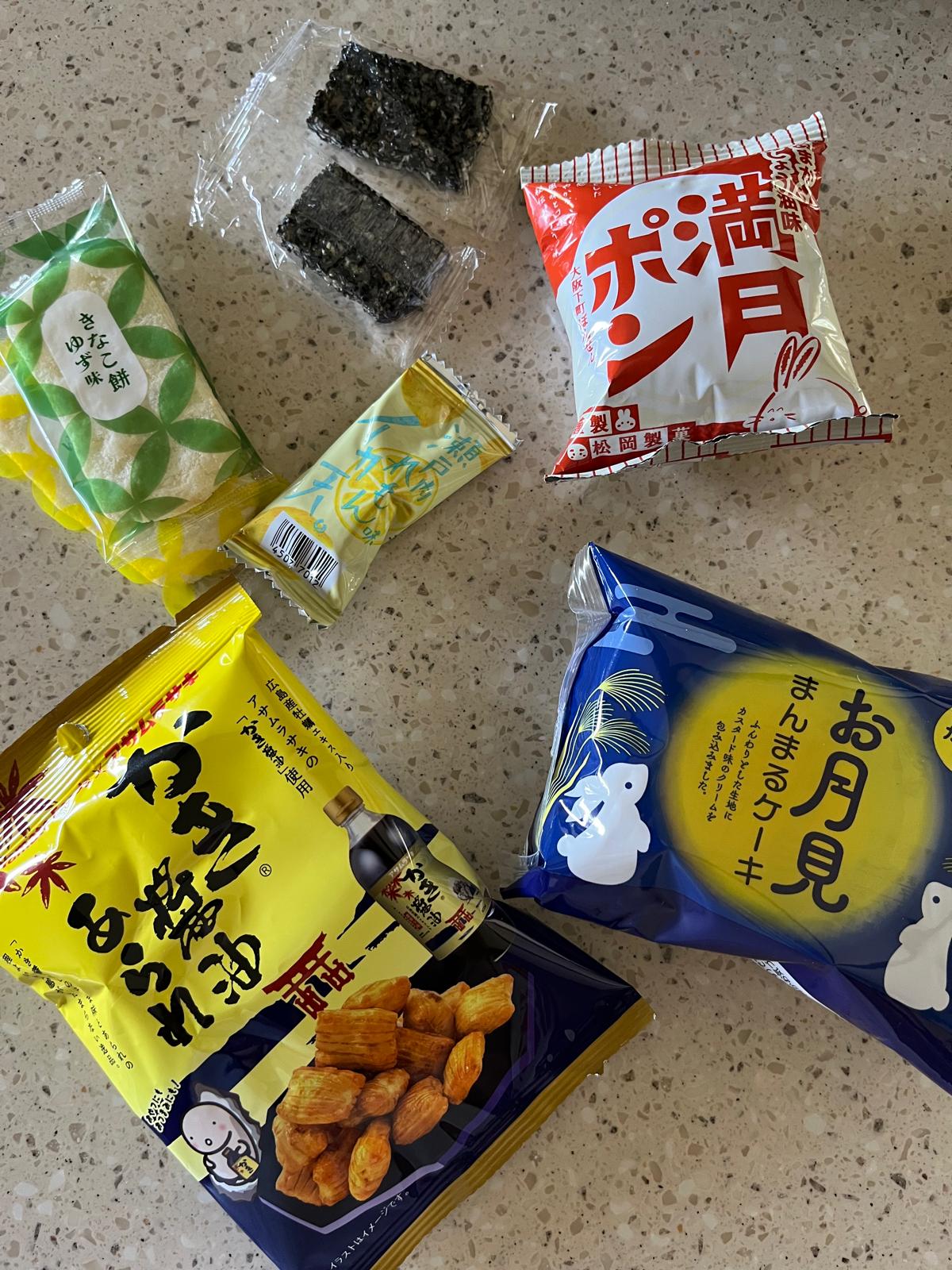
- Usagi Pon Senbei
- Yuzu Kinako Mochi Senbei
- Setouchi Lemon Ikaten
There is a really nice mix of sweet and savory snacks, which I appreciate because it gives you plenty of variety as you work your way through the box.
What’s Inside the September Sakuraco Box?
Golden Roasted Hojicha
The box starts with one of my favorite things to see in an autumn-themed Japanese snack box: tea.
Hojicha is a Japanese roasted green tea. Unlike traditional green tea, hojicha has a much more toasted, mellow flavor because the tea leaves are roasted.
The result is a warm, nutty and slightly smoky cup of tea that feels particularly appropriate for fall.
I also like having tea included because it gives you something to pair with the many sweets in the box.
A cup of roasted hojicha alongside a Japanese cookie or piece of mochi makes for a simple afternoon snack.
Tsukimi Lemon Cream Cookie
The Tsukimi Lemon Cream Cookie combines a cookie with a lemon cream filling.
This was a nice departure from some of the more traditional Japanese flavors in the box. Lemon adds a bright citrus flavor that keeps the assortment from becoming too heavy or overly sweet.
I also like that it incorporates the Tsukimi theme while still being an easy flavor for anyone who may be new to Japanese snacks.
If you enjoy lemon cookies, this is an easy one to reach for.
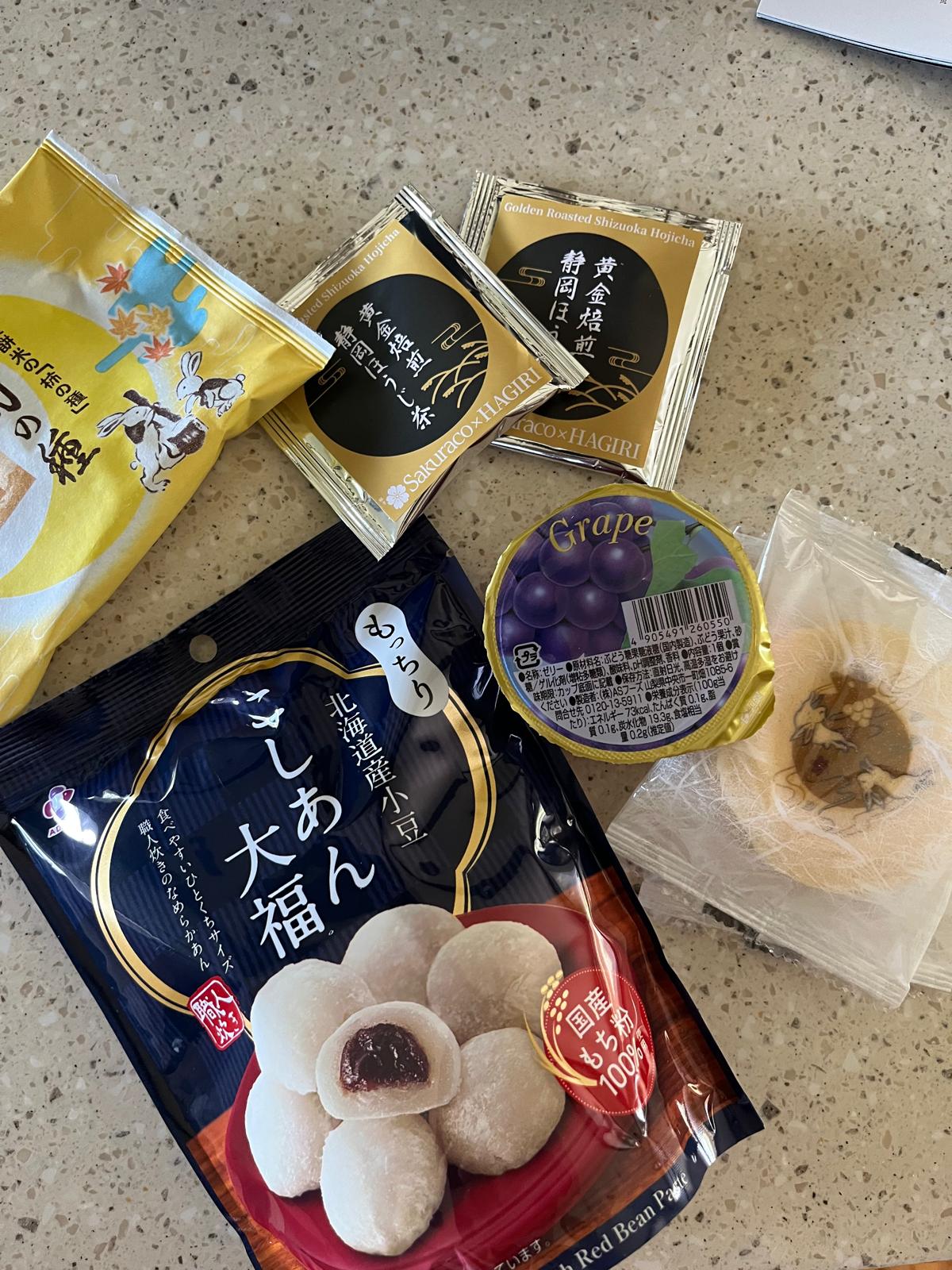
Koshian Daifuku
If you’ve never tried daifuku, this is a great opportunity to experience one of Japan’s classic sweets.
Daifuku is made with soft, chewy mochi surrounding a sweet filling. This version contains koshian, which is a smooth red bean paste.
Red bean is a very common ingredient in Japanese sweets, but if you’re accustomed to Western desserts, the flavor can be a little different from what you might expect.
The smooth red bean filling combined with the soft mochi gives this snack a classic Japanese confectionery experience.
Sweet Potato Shiruko Biscuits
Sweet potato is one of those flavors that immediately feels like fall.
These biscuits combine sweet potato with the flavor profile of shiruko, a traditional Japanese sweet red bean soup.
I thought this was an interesting way to incorporate traditional Japanese flavors into a crunchy snack.
The sweet potato brings an earthy sweetness, while the shiruko-inspired flavor connects the snack to traditional Japanese comfort foods.
Tsukimi Arare
Arare is a traditional Japanese rice cracker made from glutinous rice.
These little crunchy snacks are a nice savory contrast to the sweeter treats in the box.
The Tsukimi theme makes them especially appropriate for September’s collection, and they are the kind of snack that’s easy to grab by the handful.
If you prefer crunchy snacks over soft sweets, this is one you’ll probably appreciate.
Usagi Manju
This might be one of the cutest items in the entire box.
Usagi means rabbit in Japanese, and rabbits are closely associated with the moon in Japanese folklore and Tsukimi imagery.
Manju is a traditional Japanese confection with a soft exterior and sweet filling.
The rabbit shape makes this one feel particularly connected to the month’s theme.
It’s also the type of Japanese sweet that makes the box feel like more than simply a collection of packaged snacks.
Tsukimi Rabbit Coaster
One of the non-food items included in the box is a Tsukimi Rabbit Coaster.
The rabbit design ties directly into the moon-viewing theme and gives you something to keep after you’ve finished all the snacks.
I actually enjoy getting little Japanese tableware or collectible items in a box like this because they make the experience feel more complete.
Instead of simply opening a box, eating everything, and throwing away the packaging, you end up with a small keepsake connected to the month’s theme.
Tsukimi Custard Cake
The Tsukimi Custard Cake is a soft Japanese-style cake with a creamy custard filling.
Japanese packaged cakes tend to have a very soft, light texture, making them quite different from heavier Western-style cakes.
The custard filling adds sweetness and creaminess, and this is another snack that would pair nicely with the roasted hojicha included in the box.
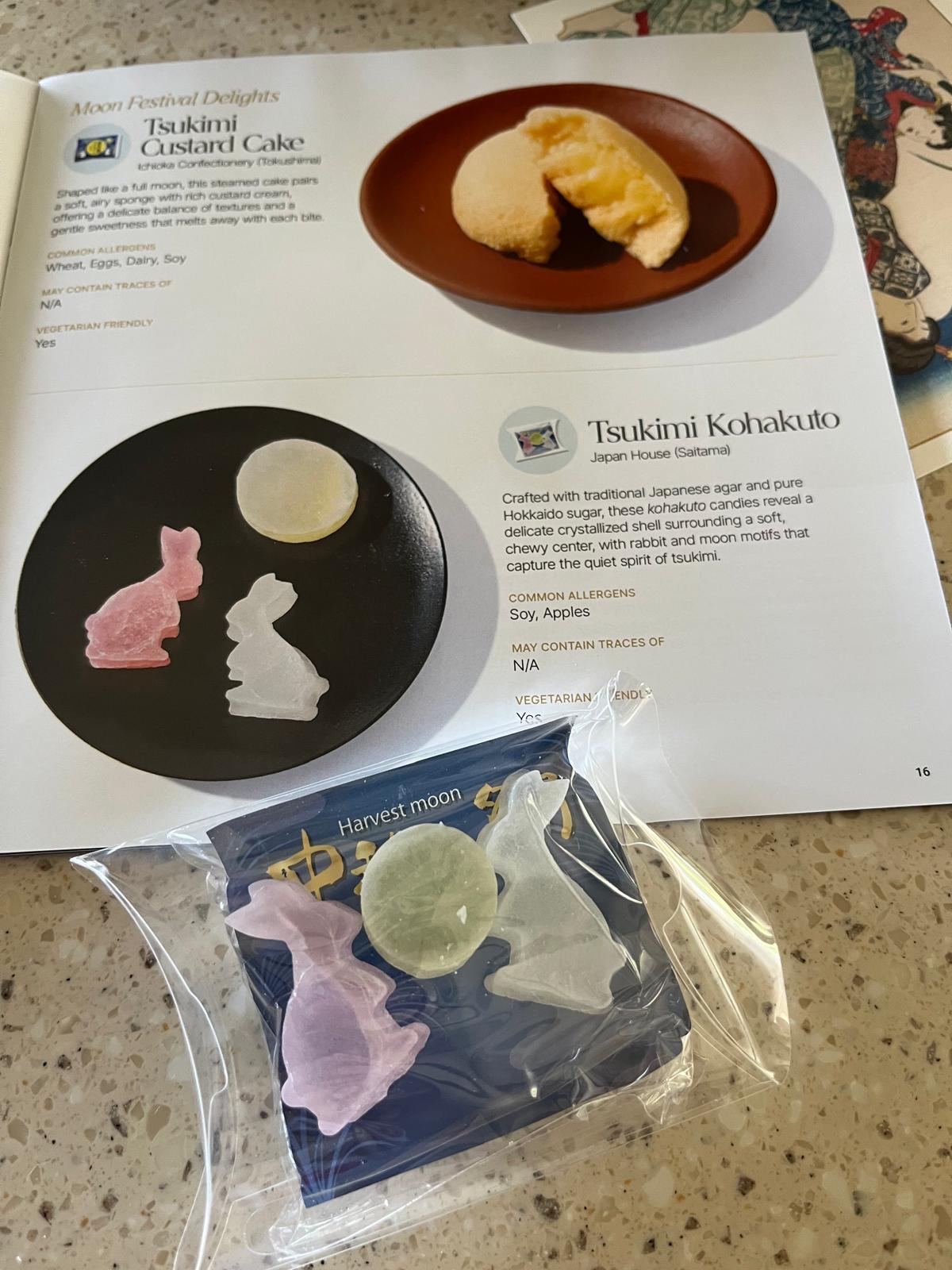
Tsukimi Kohakuto
Kohakuto is one of the more visually interesting Japanese sweets in the collection.
Kohakuto is made with agar and sugar and is known for its jewel-like, crystalline appearance.
The texture is also unusual. It isn’t quite like a gummy candy and isn’t quite like a traditional hard candy either.
The Tsukimi version fits beautifully into the moon-inspired theme and adds some visual variety to the box.
This is definitely one of the snacks I’d put on a small Japanese dessert plate if I were serving the box to guests.
Grape Jelly
The grape jelly brings a simple fruity flavor into the assortment.
Japanese grape-flavored snacks often have a very recognizable grape aroma and flavor, making them fun to compare with the grape candies and jellies that are common in the United States.
The soft jelly texture also adds another type of snack to the collection.
Sometimes it’s nice to have a straightforward fruit-flavored treat among all the traditional sweets.
Black Sesame Okoshi
Okoshi is a traditional Japanese snack made with puffed grains or rice and a sweet coating.
This version features black sesame, which gives it a deep, nutty and roasted flavor.
Black sesame is used in both sweet and savory Japanese dishes and is especially popular in Japanese desserts and snacks.
The crunchy texture combined with the toasted sesame flavor makes this a nice change from the softer cakes, mochi and jelly in the box.
Usagi Pon Senbei
Another rabbit-themed snack is the Usagi Pon Senbei.
Senbei are Japanese rice crackers and come in many different varieties.
These are crunchy and savory, making them another good option for anyone who doesn’t have a major sweet tooth.
The rabbit design also keeps the snack connected to the Tsukimi theme rather than feeling like a random addition to the box.
Yuzu Kinako Mochi Senbei
This was one of the more interesting flavor combinations in the September box.
It combines yuzu and kinako flavors with a crunchy senbei-style snack.
Yuzu is a Japanese citrus fruit with a fragrant flavor that’s somewhere between lemon, mandarin and grapefruit.
Kinako, meanwhile, is roasted soybean flour with a warm, nutty flavor.
The citrusy yuzu and roasted kinako create a combination of bright and nutty flavors, while the senbei provides the crunch.
It’s a good example of the unusual flavor combinations that make Japanese snack boxes fun to explore.
Setouchi Lemon Ikaten
If you’re looking for something completely different from the sweets, the Setouchi Lemon Ikaten definitely stands out.
Ikaten is a Japanese snack made with squid, while Setouchi lemon comes from the Setouchi region of Japan, an area known for its citrus production.
This gives you a savory seafood snack with a bright lemon flavor.
It’s probably not the first combination that most people would think of, but that’s part of what makes Japanese snack boxes interesting.
Instead of getting an assortment of familiar American-style snacks, you’re introduced to combinations and ingredients that you may not normally encounter.
What I Like About Sakuraco
One of the biggest things I noticed about Sakuraco compared with a typical snack box is the emphasis on Japanese tradition and seasonal culture.
The September box isn’t simply a collection of snacks with an autumn label.
The rabbit imagery, moon-viewing theme, hojicha, traditional sweets, rice crackers, yuzu, black sesame and other flavors all work together to tell a story about autumn in Japan.
I also appreciate the variety.
There are soft sweets, crunchy crackers, jelly, cookies, cake, mochi, tea and savory snacks. That means you can open the box over several days rather than feeling like you’re eating the same type of snack repeatedly.
Sweet and Savory Variety
For me, one of the biggest advantages of this box is the balance between sweet and savory.
Sweet Treats
The sweeter side of the box includes:
- Tsukimi Lemon Cream Cookie
- Koshian Daifuku
- Sweet Potato Shiruko Biscuits
- Usagi Manju
- Tsukimi Custard Cake
- Tsukimi Kohakuto
- Grape Jelly
Savory Snacks
The savory selection includes:
- Tsukimi Arare
- Black Sesame Okoshi
- Usagi Pon Senbei
- Yuzu Kinako Mochi Senbei
- Setouchi Lemon Ikaten
And then there is the Golden Roasted Hojicha, which works beautifully alongside both categories.
Who Would Enjoy Sakuraco?
I think Sakuraco would be especially interesting for people who:
- Love Japanese snacks
- Want to try Japanese foods that aren’t commonly available in U.S. stores
- Enjoy traditional Japanese flavors
- Like seasonal food and cultural traditions
- Enjoy tea and Japanese sweets
- Are looking for unique food gifts
- Want to explore Japanese culture through food
- Like subscription boxes with a different theme every month
It’s also a fun option for someone who has already tried some of the more mainstream Japanese snacks and wants to explore more traditional treats.
Is Sakuraco Worth Trying?
Whether a subscription box is worth it really depends on what you’re looking for.
If you’re primarily interested in the newest Japanese candy, character collaborations and unusual limited-edition products, a more modern Japanese snack box may be a better match.
If you enjoy traditional Japanese snacks, tea, regional flavors and learning about the cultural background behind the foods you’re eating, Sakuraco is a different kind of experience.
I particularly like that the monthly theme gives you context for what you’re eating. You’re not just opening a box of random Japanese snacks; you’re getting a selection built around a particular aspect of Japanese food and culture.
Final Thoughts on the September 2026 Sakuraco Box
The September 2026 Autumn Moon Festival Sakuraco box was a fun introduction to the flavors and traditions associated with Tsukimi.
There was plenty of variety, from the roasted flavor of hojicha and nuttiness of black sesame to traditional red bean mochi, sweet potato treats, citrus-flavored snacks, rice crackers and even savory squid.
The rabbit-themed snacks and coaster were also a nice touch and helped tie everything back to the Autumn Moon Festival theme.
For me, the biggest appeal of this box is that it combines snacking with discovery. You get to try foods you may not have encountered before while learning a little about the Japanese traditions connected to them.
If you’re curious about Japanese food and enjoy trying snacks that go beyond the typical candy and chips you might find at an Asian grocery store, Sakuraco is an interesting subscription to explore.
And if you’re looking for a unique gift for someone who loves Japan, Japanese food, tea, or international snacks, a themed Japanese snack box could also be a fun option!
This post contains products provided to me by Sakuraco for review. All opinions are my own.