Last Updated on March 17, 2026 by Karen
Your leftover liver doesn’t have to go to waste. These storage tricks extend shelf life for weeks while keeping taste and texture intact.
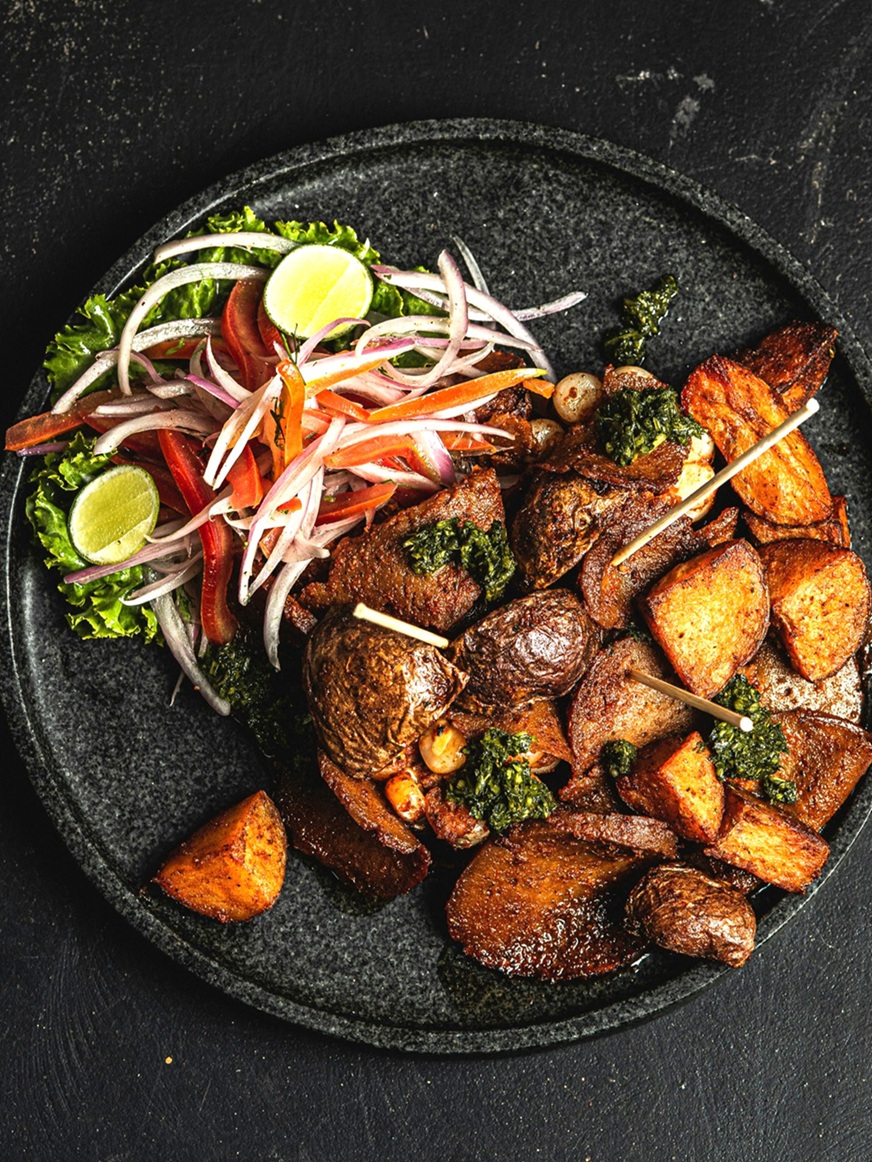
You just cooked a batch of beef liver, and now you are staring at leftovers you don’t want to waste.
Throwing away perfectly good organ meats feels wrong, especially when fresh liver costs what it does. But letting it sit in the fridge too long is risky, and you are not sure if freezing will turn it into a rubbery mess. The good news is that freezing cooked chicken or beef liver is not only possible, it is actually a great way to extend beef liver shelf life while keeping food safety in check.
Whether you are a fan of liver trying to meal prep or someone who wants to preserve leftover liver from a single meal, the freezing process matters more than you think. Done wrong, you end up with freezer burn and a weird texture. Done right, you get future meals that taste almost as good as the day you cooked them.
This guide walks you through everything you need to know to freeze cooked liver the right way.
Why Freezing Cooked Liver Is a Smart Move
Most people avoid liver because they don’t want leftovers sitting around, but that mindset wastes one of the most nutrient-dense meat items available. Freezing cooked liver solves the shelf life problem without forcing you to eat organ meats three days straight. It gives you control over portions, reduces waste, and keeps your food safe for later use without the risk of bacterial growth that comes from leaving it in the fridge too long.
The freezing process locks in nutrients and flavor when done correctly. Fresh liver has a short fridge life, usually just one to two days according to most gov website guidelines, but freezing extends that window to two or three months. You can cook a big batch, freeze small portions, and pull them out whenever you want without worrying about spoilage. This approach works whether you are using chicken liver pate, pan-fried beef liver, or even beef heart and beef tongue.
Here’s what makes freezing cooked liver worth the effort:
• Extends shelf life significantly: Instead of one to two days in the fridge, you get months in the freezer without compromising food safety.
• Prevents waste: If you cook more than you can eat, freezing stops you from tossing expensive organ meats.
• Makes meal prep easier: Freeze small portions and reheat only what you need for a single meal.
• Keeps texture intact: When you freeze cooked liver properly, you avoid the mushiness that comes from bad storage.
Some people worry that freezing ruins the taste of liver, but that usually happens because of freezer burn, not the freezing itself. Wrap it right, store it in a freezer-safe bag or airtight container, and you will barely notice a difference. This is the same method people use for freezing raw liver, but cooked versions handle the process even better because the proteins are already set.
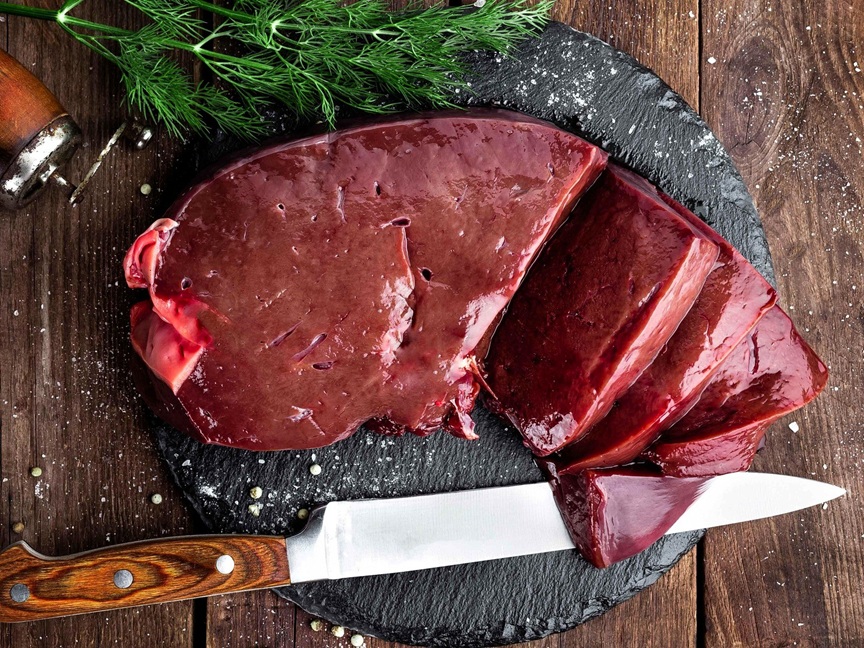
How to Prep Cooked Liver for the Freezer
Before you toss leftover liver into the freezer, a few prep steps make all the difference between a good texture and a freezer-burned disaster. Cooling, drying, and portioning your cooked liver correctly sets you up for meals that reheat well and taste close to fresh. Skip these steps at your own risk, because moisture and heat are the enemies of quality frozen food.
Start by letting your cooked liver cool to room temperature. Don’t leave it out for longer than two hours to stay within food safety guidelines. Once it’s cool, pat the liver dry with paper towels to remove excess moisture. Wet liver creates ice crystals during freezing, which damage the texture and lead to that mushy, unpleasant bite nobody wants.
Follow these prep steps before freezing:
Cool the liver completely: Let it sit at room temperature for 30 to 60 minutes, but never longer than two hours to avoid bacterial growth.
Pat dry with paper towels: Remove all surface moisture to prevent ice crystals from forming during the freezing process.
Divide into small portions: Freeze only what you will eat in one meal. Small portions thaw faster and reduce waste.
Wrap tightly in plastic wrap: Cover each portion completely, pressing out air pockets as you go.
Place wrapped portions in a freezer-safe bag or airtight container: This double layer protects against freezer burn and keeps flavors from escaping.
If you want to get fancy, spread individual pieces on a baking sheet lined with parchment paper and freeze them for an hour before wrapping. This flash-freezing method stops the pieces from sticking together, which is useful if you want to grab just one or two slices later. Once frozen, transfer them to your airtight container or freezer-safe bag. This trick works great for chicken liver pate portions or thin slices of beef liver.
Label everything with the date before it goes into the freezer. Cooked liver stays good for two to three months, but after that the quality drops. You won’t get sick from eating older frozen liver, but the taste and texture suffer. Treat that date like a soft deadline, not a hard rule.
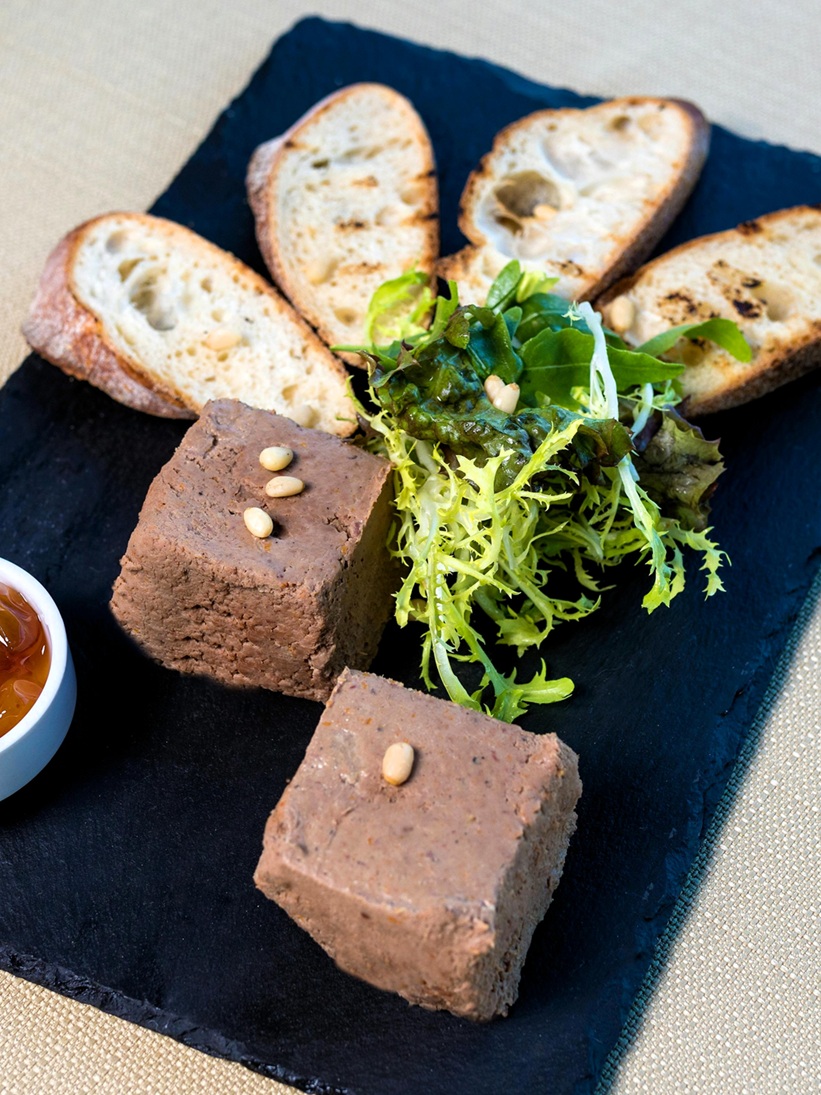
The Right Way to Thaw Frozen Cooked Liver
Thawing might seem like the easy part, but rushing it ruins everything you did right during the freezing process. Room temperature thawing invites bacterial growth, and microwaving turns liver into rubber. The safest method takes time, but it keeps food safety intact and preserves the texture you worked to protect.
The best approach is moving your frozen liver from the freezer to the fridge the night before you plan to eat it. This slow thaw keeps the meat item at a safe temperature the entire time, preventing the risk of bacterial growth that happens when liver sits in the danger zone between 40 and 140 degrees Fahrenheit. Plan for about eight hours of thaw time for small portions, longer for bigger pieces.
If you forgot to thaw overnight, cold water works in a pinch. Seal your liver in a freezer-safe bag (if it isn’t already), submerge it in a bowl of cold water, and change the water every 30 minutes. Small portions thaw in an hour or two using this method. Never use warm or hot water because it creates uneven thawing and puts the outer layers in the bacterial danger zone while the inside stays frozen.
Thawing options ranked by safety and quality:
• Fridge thawing (best): Safest method, maintains texture, requires planning ahead.
• Cold water thawing (good): Faster than fridge, still safe, requires attention and water changes.
• Microwave thawing (at your own risk): Quick but often creates rubbery spots and uneven texture.
• Room temperature thawing (never): Dangerous for food safety, high risk of bacterial growth.
Once thawed, cook or reheat your liver within 24 hours. Don’t refreeze thawed cooked liver because the texture takes a serious hit, and you increase the risk of bacterial growth. If you thaw more than you need, use it up or accept the loss. Refreezing is technically safe if done quickly, but it’s not worth the quality drop.
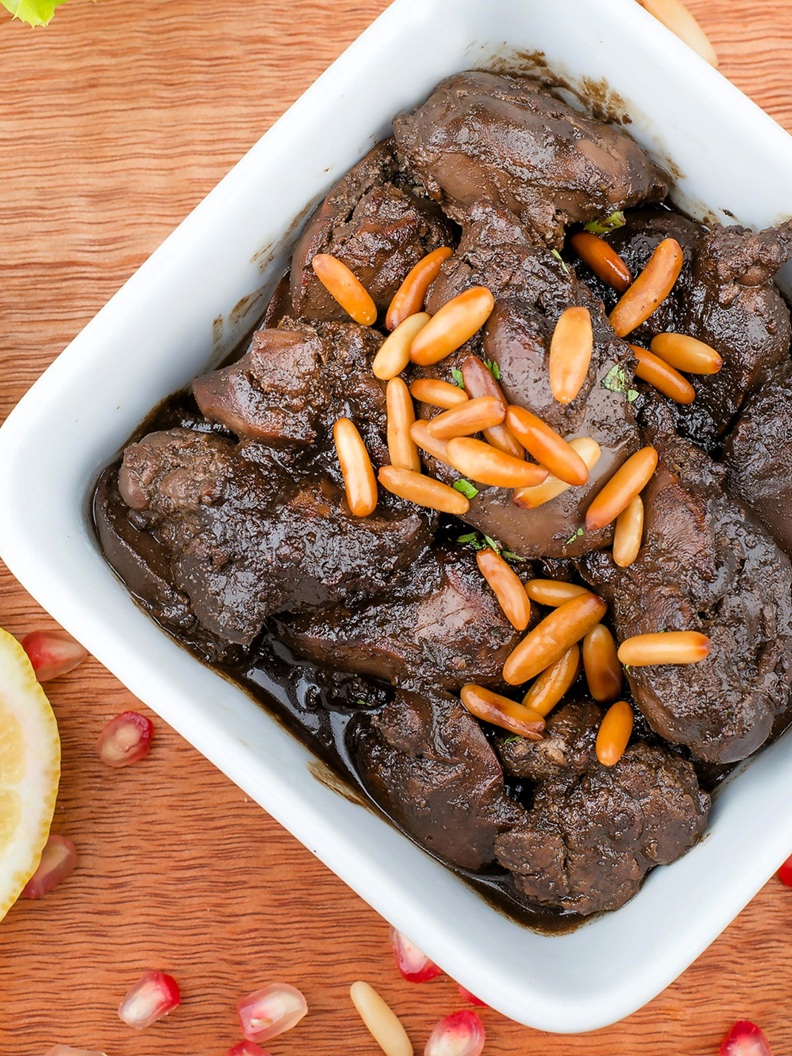
Common Mistakes That Ruin Frozen Liver
Even with good intentions, small errors wreck your frozen liver before you get a chance to eat it. Freezer burn, moisture buildup, and storage mistakes turn what should be a convenient meal into something you’d rather throw out. Most of these problems come from rushing or skipping steps that feel optional but aren’t.
Skipping the double wrap is the biggest mistake. A single layer of plastic wrap or tossing liver straight into a freezer-safe bag without wrapping leaves gaps for air to sneak in. Air causes freezer burn, which dries out the surface and creates that grayish, leathery layer that tastes like nothing. You can cut it off, but you lose meat and flavor.
Another common error is freezing liver while it’s still warm. Putting hot or even lukewarm liver in the freezer raises the temperature inside, which can partially thaw other items and create ice crystals on your liver. Let it cool completely before wrapping. This step takes patience, but it protects everything else in your freezer too.
Mistakes to avoid:
• Freezing without drying: Excess moisture turns into ice crystals that ruin texture.
• Using thin or cheap bags: Flimsy bags allow air in and lead to freezer burn within weeks.
• Forgetting to label: Unlabeled liver sits too long, and you lose track of how old it is.
• Freezing huge portions: Large blocks take forever to thaw and force you to use more than you need.
• Leaving air pockets in bags: Air is freezer burn’s best friend. Squeeze it out before sealing.
Some people try to freeze liver with sauce or gravy thinking it adds protection, but liquid expands when frozen and can burst containers. If you want to freeze liver with sauce, leave space at the top of your airtight container for expansion. Better yet, freeze the liver and sauce separately and combine them when reheating. This gives you more control over portions and prevents messy freezer explosions.
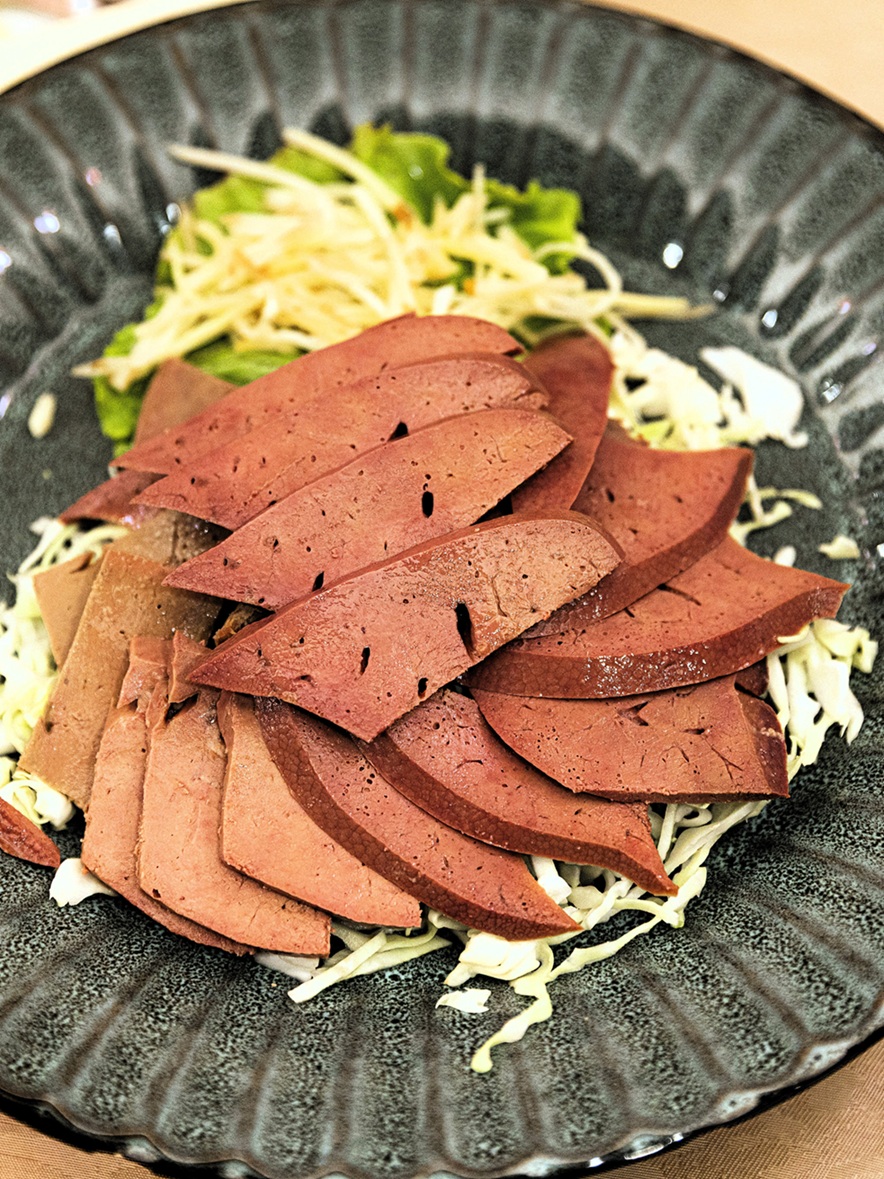
How Long Frozen Liver Actually Lasts
You will see all kinds of advice online, from TikTok videos claiming you can freeze liver for a year to gov website guidelines suggesting two to three months. The truth sits somewhere in the middle, depending on how well you wrapped it and how stable your freezer temperature stays. Frozen liver doesn’t go bad in the traditional sense after three months, but quality drops noticeably.
For best taste and texture, use frozen cooked liver within two to three months. After that, freezer burn becomes more likely even with good wrapping, and the flavor starts to fade. You can still eat liver that’s been frozen for six months or longer if it stayed at 0 degrees Fahrenheit the whole time, but expect a noticeable difference in taste and a slightly tougher texture.
Raw liver freezes slightly better than cooked for a longer time, which is why some people freeze fresh liver instead of cooking it first. But for meal prep and convenience, freezing cooked liver makes more sense. You get ready-to-eat meals without the extra step of cooking from frozen.
Keep your freezer at 0 degrees Fahrenheit or below. Temperatures that fluctuate because of frequent door opening or a failing freezer shorten shelf life for all frozen foods, not just liver. If your ice cream is soft or you see frost buildup everywhere, your freezer isn’t cold enough.
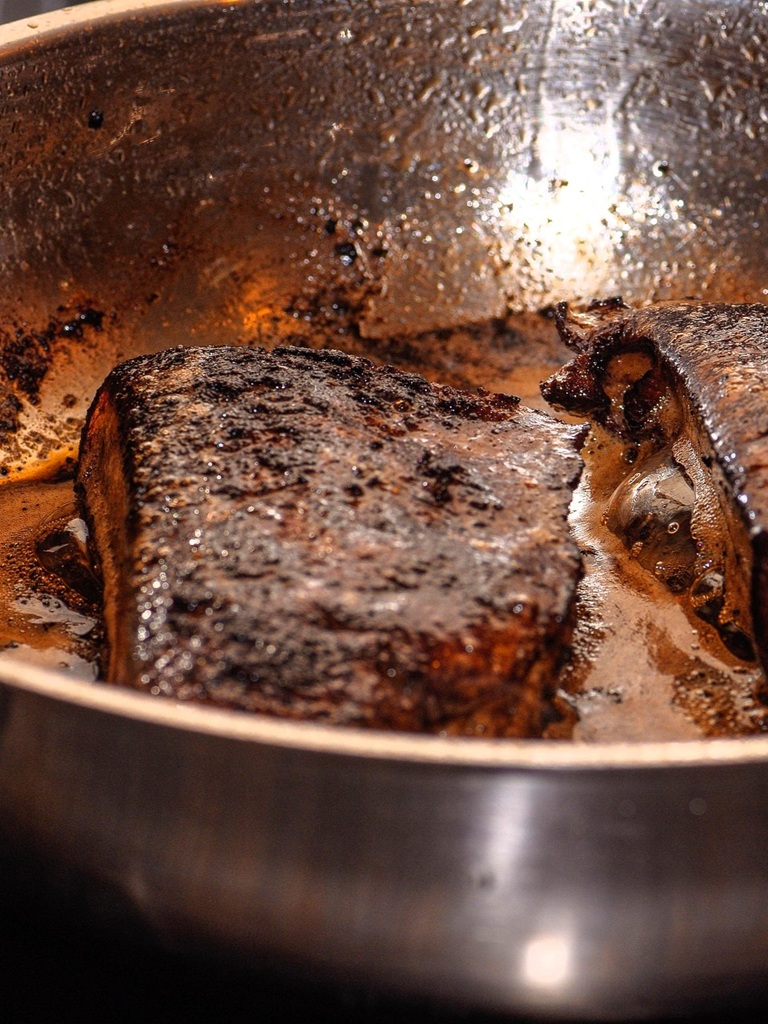
Freezing cooked chicken or beef liver is one of the smartest ways to handle organ meats without waste or worry. The process is simple, the food safety benefits are real, and the convenience pays off every time you pull a portion from the freezer instead of ordering takeout. Whether you are a dedicated fan of liver or just trying to make the most of a single purchase, proper freezing turns leftover liver into future meals that actually taste good.
Follow the steps, avoid the common mistakes, and you will wonder why you ever hesitated to freeze liver in the first place.